

Industry News
-
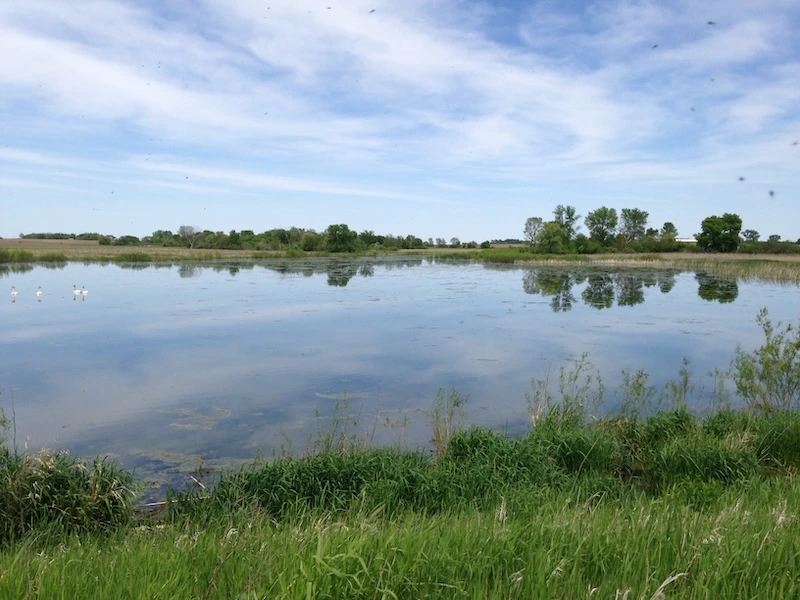
Urban and rural conservation commitments move Iowa forward together
Posted onDES MOINES, Iowa (July 13, 2026) — Clean water depends on both urban and rural communities working together, which is why IAWA supports improvement on the landscape in both farms and cityscapes. The Iowa Department of Agriculture and Land Stewardship (IDALS) recently announced four new urban water quality projects in Cedar Falls, Des Moines, Riverside,…
-
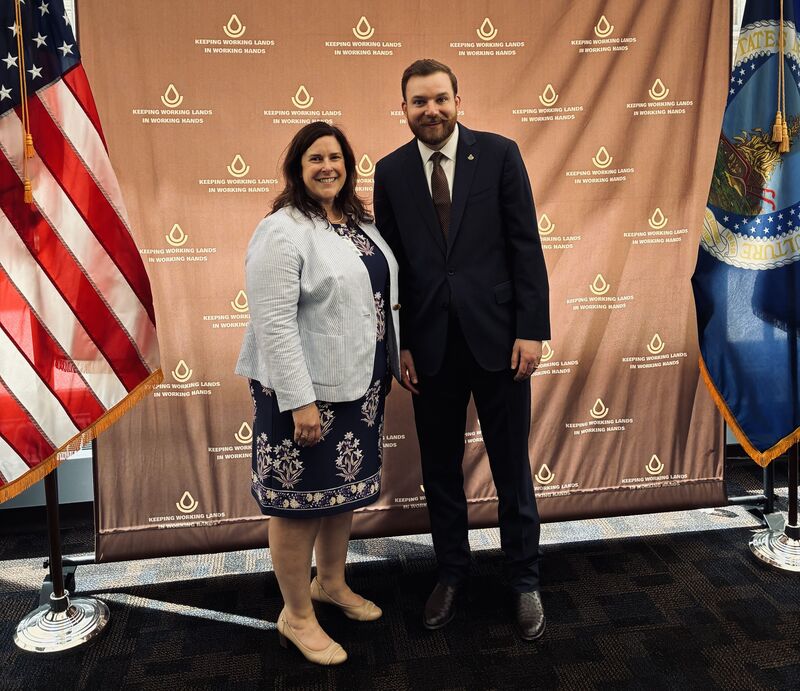
Local water quality leader invited to shape USDA practice standards
Posted onWASHINGTON D.C. (July 14, 2026) – Susan Kozak, Division Director at the Iowa Department of Agriculture and Land Stewardship (IDALS), recently traveled to Washington D.C. to advise USDA’s practice standards for conservation. Kozak is the Division Director for IDALS and also serves as the Vice President of the National Association of State Conservation Agencies. She…
-
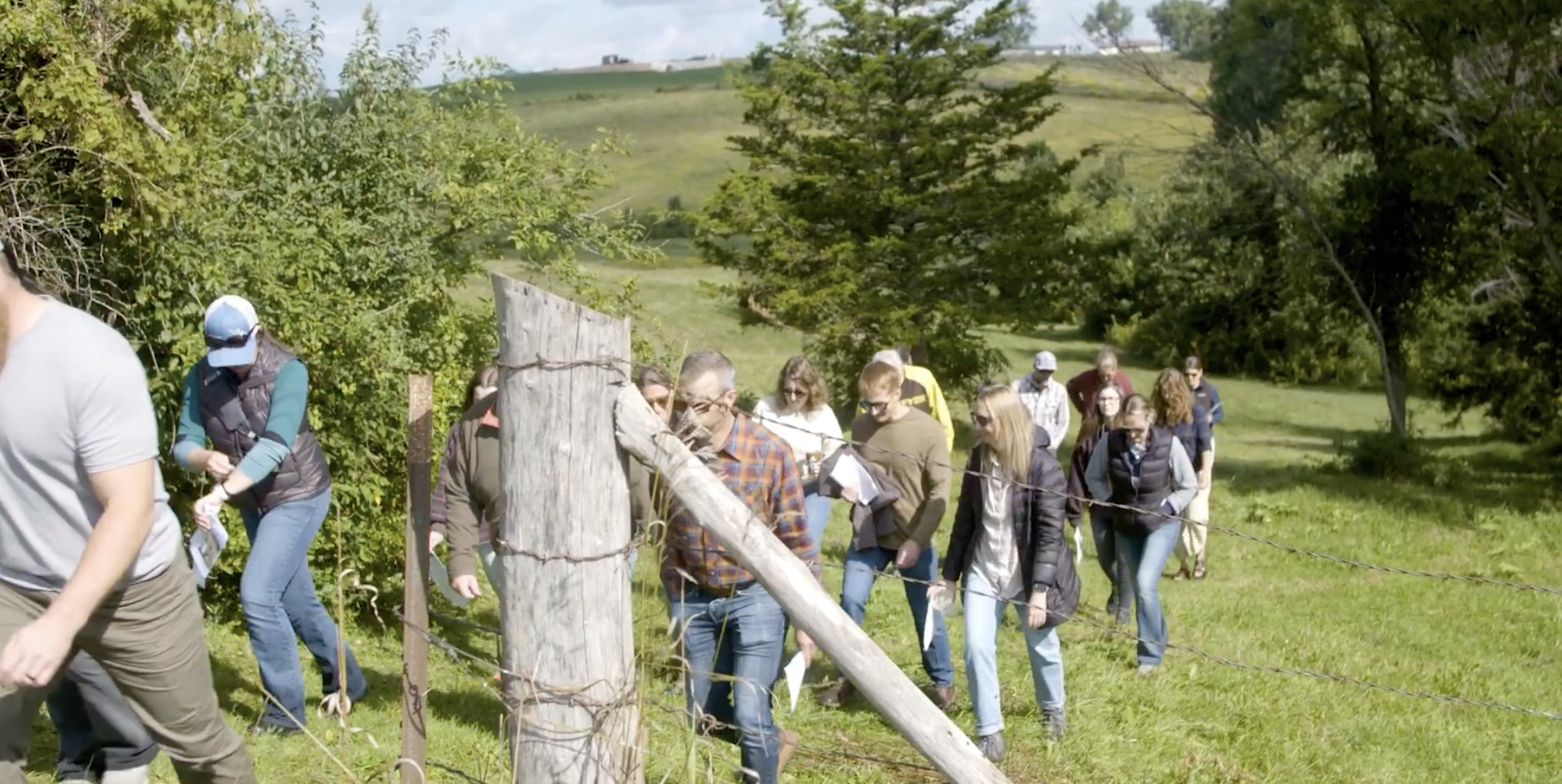
How cross-watershed collaboration across state lines can spark change and quicken progress
Posted onCOON VALLEY, Wisc. (July 14, 2026) — Watershed groups in Iowa and Wisconsin are building a cross-state network to trade flood-mitigation and water-quality strategies, an effort now documented in a new University of Iowa video, “Currents of Collaboration.” Click here to watch on Youtube. Produced by IIHR—Hydroscience & Engineering with Northeast Iowa RC&D, the Coon…
-
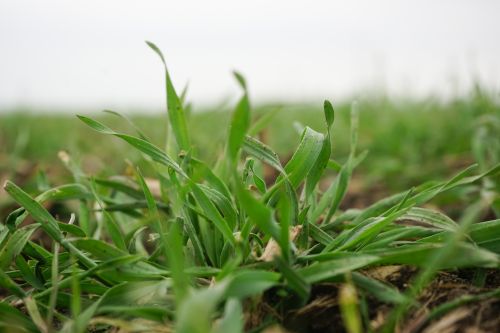
Cover crops get big boost in 22 Iowa counties
Posted onDES MOINES, Iowa – Farmers in 22 counties upstream of the Des Moines area will have access to more cover crop cost share from a newly announced initiative called the “Greater Des Moines Watershed Program.” The initiative has goals to accelerate and scale up the use of conservation practices to improve water quality, and falls under…
-
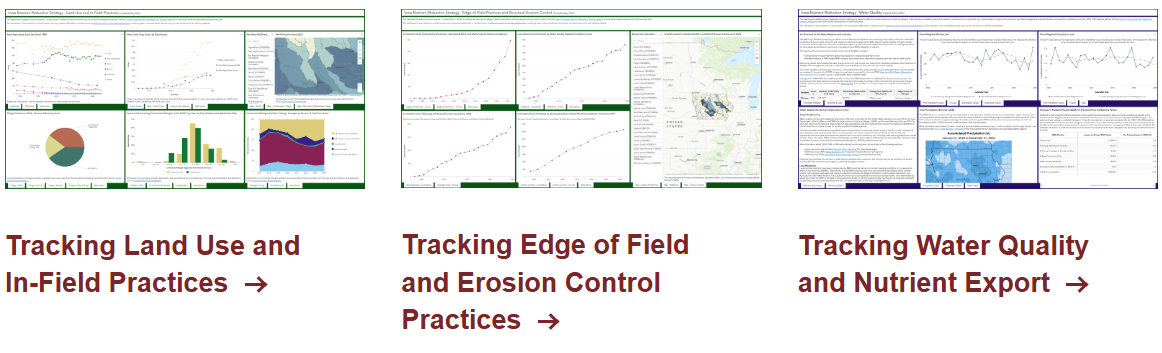
Nutrient Reduction Strategy Dashboards Receive New Updates, Show Positive Trends
Posted onRecently, the Iowa Nutrient Reduction Strategy Interactive Dashboards received an update with 2024 data. With nearly every data set showing an improvement, here are some highlights from two of the updated dashboards, “Land Use and In-Field Practices” and “Edge-of-Field Practices and Structural Erosion Control.” If you’re interested in exploring the data for yourself, visit the…
-

New IDALS Nitrogen Soil Sampling Project to Help Farmers Save Money, Benefit Water Quality
Posted onResidual nitrogen data coupled with N-FACT help farmers optimize fertilizer application rates, delivering monetary and environmental benefits DES MOINES, Iowa (Apr. 13, 2026) – Iowa Secretary of Agriculture Mike Naig and the Iowa Nutrient Research & Education Council (INREC) today announced a new, three-year Nitrogen Soil Sampling Project that will conduct nitrogen soil testing for farmers in targeted areas upstream from the Des Moines metro. Testing for residual nitrogen in the soil can help farmers dial in their…
-
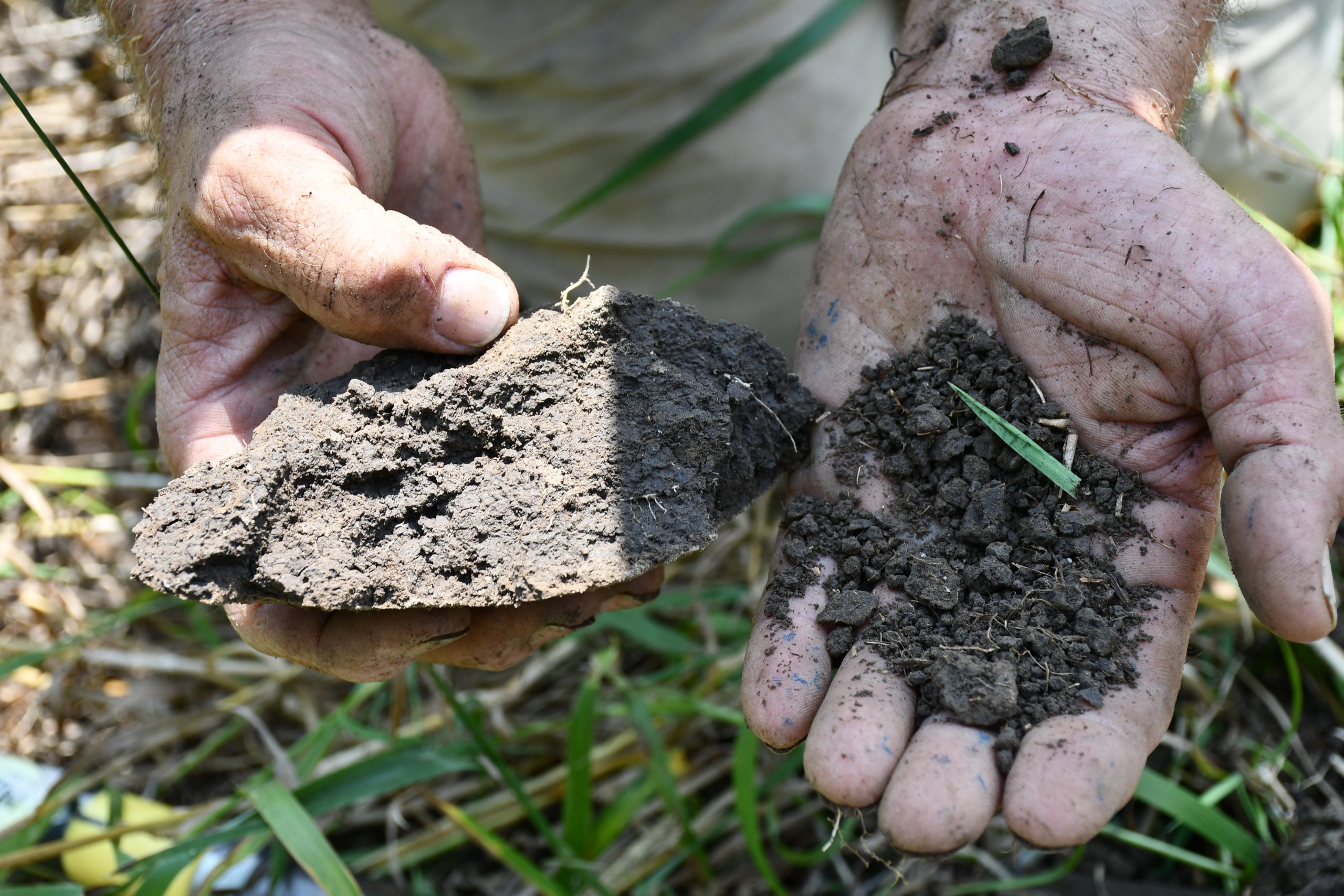
Farmers have rising concerns about soil compaction
Posted onDES MOINES, Iowa – March 24, 2026 – Conservation adoption is often motivated by financial factors like improved yields with soil health or reduced inputs using cover crops. Another related factor is emerging as a top concern: compaction. This knowledge could help conservation professionals and agronomists promote compaction reducing practices like cover crops, which also…
-
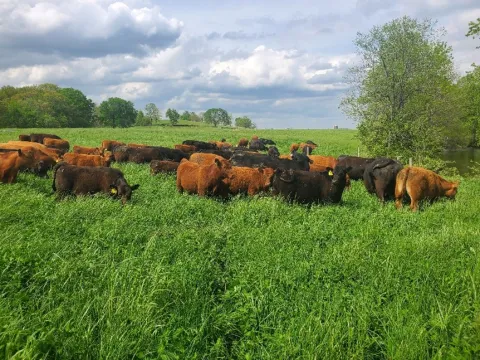
Popular Iowa livestock program gets green light for 3 more years
Posted onSouthwest Iowa – March 24, 2026 – A newly announced extension of Iowa’s Cattle and Conservation Working Lands Project through 2028 signals growing momentum behind a simple idea: healthier soil leads to cleaner water—and grazing can help deliver both. Secretary Mike Naig announced the extension this month (March 2, 2026). The project is active in…
-

A look at all the projects Iowa NRCS worked on in 2025
Posted onBy Jason Johnson, Iowa NRCS DES MOINES, Iowa – March 20, 2026 – Iowa farmers and other private landowners invested millions in conservation practices to help treat natural resource issues on their lands last year, in partnership with the U.S. Department of Agriculture’s Natural Resources Conservation Service (NRCS). Through four major Farm Bill conservation programs…
Posted in Industry News -
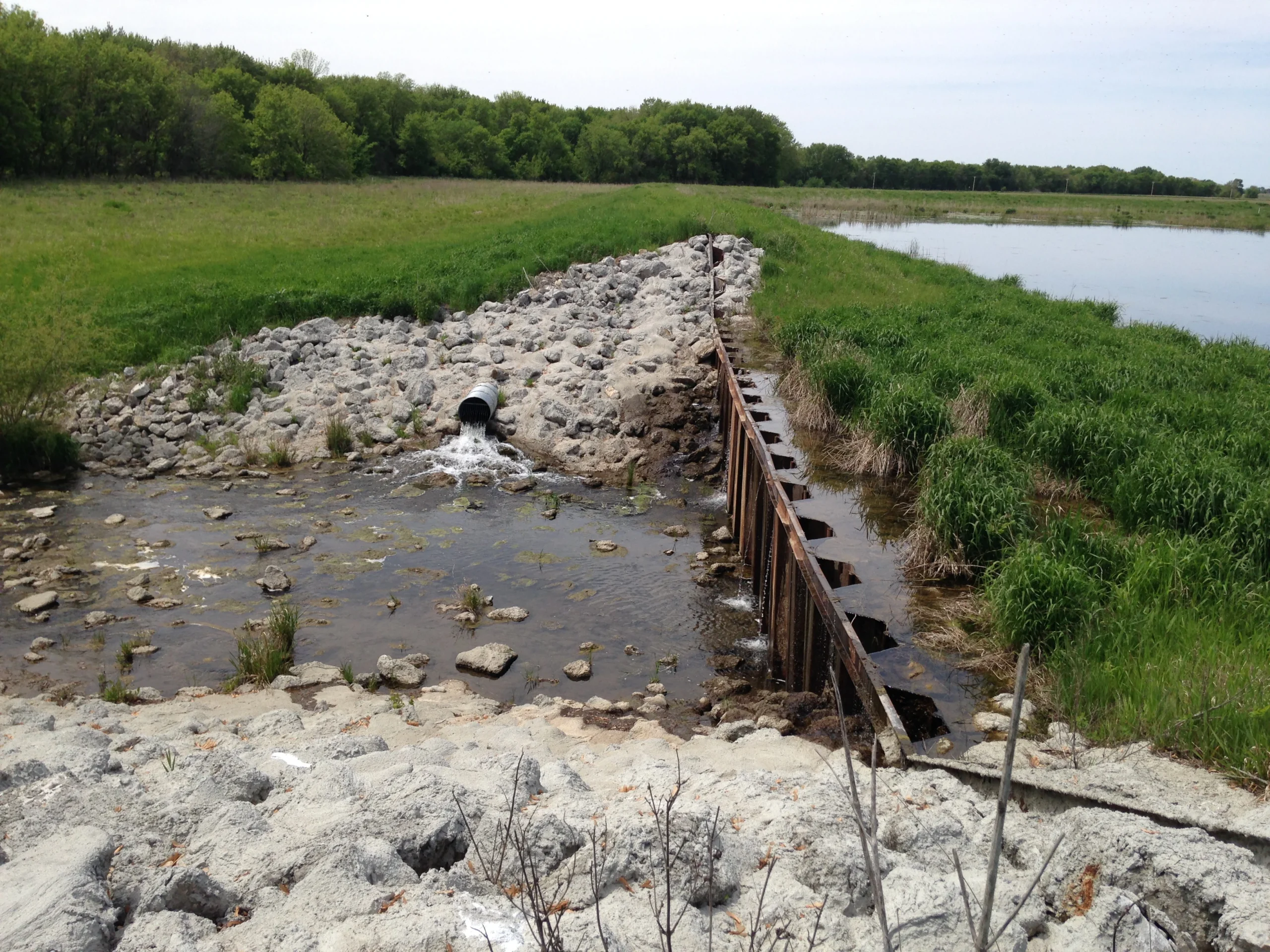
NRCS survey to measure impact of conservation on U.S. cropland
Posted onBy Chris Maestas, NRCS Public Affairs Specialist BISMARCK, N.D. — How well are conservation practices working on America’s farms and ranches? A nationwide survey led by the USDA’s Natural Resources Conservation Service aims to answer that question. The Conservation Effects Assessment Project (CEAP) Survey measures how voluntary conservation practices improve soil health, water quality and wildlife…
Posted in Industry News