
Improve Soil Health
Healthy soil is the foundation of a productive farm. When managed well, it can boost yields, hold more water, and utilize inputs more efficiently. Building soil health also helps to protect against extreme weather events such as heavy rainfall or extended dry periods.
Using soil health practices helps to increase organic matter in the soil as well as preserving soil structure and reducing erosion. Over time, these practices result in farmland that is easier to work, more resilient, and better for yields and water quality.
Even tiny increases in soil organic matter, as small as 1%, can significantly improve water retention, fertility, and soil resilience. By improving soil health with conservation in mind, you can build a stronger farm today and protect the productivity of your land for future generations.
Some of the best practices to improve soil health on your farm include:
Cover Crops
Grasses, legumes, and forbs planted for seasonal vegetative cover to reduce erosion and improve soil health.
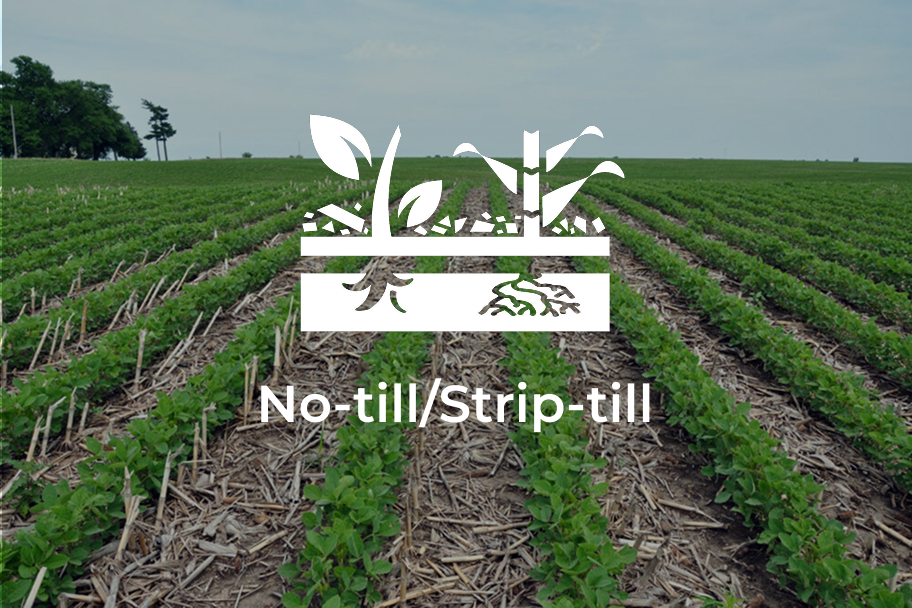
No-till/Strip-till
Limiting soil disturbance to improve soil health and reduce erosion and excessive sediment in surface water.
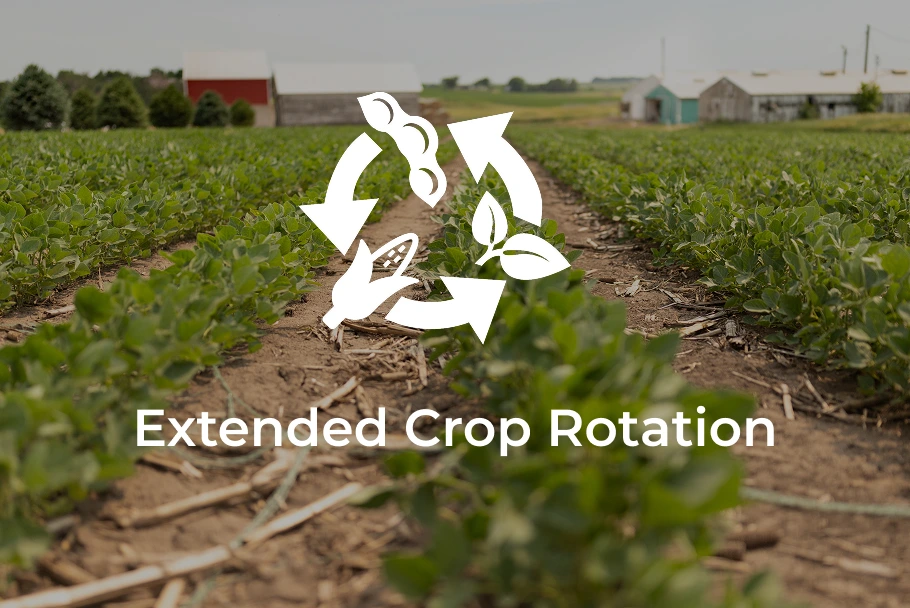
Extended Crop Rotation
A planting cycle of different crops such as grasses, legumes, or small grains along with corn and soybeans to improve soil health and decrease insect and disease pressure.

Conservation Compass
Detangling cost share programs
There are millions of dollars and dozens of programs available to pay farmers for cover crops, wetlands, prairie, and more. With our tools, it doesn’t have to be confusing or overwhelming! We created a hub to learn about cost share and to filter and compare programs.