
Nitrogen
What it is, and why we need it
What is nitrogen?
Nitrogen is an element that is essential to human life. It comes in many forms including dinitrogen, nitrate, ammonium, and organic nitrogen. It’s an essential nutrient for all living organisms and is a critical component of proteins, DNA, and chlorophyll. If you don’t remember grade school biology, that’s okay! Clorophyll is what plants use to convert sunlight into their own energy (photosynthesis). In plants, nitrogen is also in amino acids, which are the building blocks of proteins.
You might be surprised to find out all the places you can find nitrogen!
true or false? nitrogen makes up 3% of the human body
True!
Nitrogen is the fourth most abundant element in the human body after oxygen, carbon, and hydrogen. It’s a vital component of amino acids and DNA. It’s found in all cells, tissues, and muscles.
true or false? nitrogen is the second most abundant gas on earth after oxygen
False!
Nitrogen is the most abundant gas. It makes up nearly 80% of the earth’s atmosphere. Oxygen only makes up about 21%. Even though we don’t need nitrogen to breath, it’s essential for all of life’s processes and is transformed to other usable forms via the nitrogen cycle. Learn about the nitrogen cycle here.
true or false? nitrogen is found in food
True!
Nitrogen is a key component of amino acids, which form proteins in meat, fish,, and dairy. It’s also a critical part of the plant’s growth, aiding in photosynthesis, so you’ll find it in leafy greens. Nitrogen can be used to preserve some foods, too.
Forms of nitrogen
Nitrogen is a word that is used to describe several different forms of the element. All of them play a different role in our atmosphere
dinitrogen
Dinitrogen is in the form of gas. It makes up 78% of the earth’s atmosphere. It dilutes oxygen and prevents rapid burning of the earth’s surface. Plants are able to pull this form from the air to make other forms of nitrogen.
Nitrate
Nitrate is the most plant available form of nitrogen. It’s water soluble. That makes it easy for plants to take in, but it also makes it vulnerable to moving with water.
ammonium
Ammonium is created through mineralization (certain soil microorganisms convert forms of N into plant available ammonium). Scientists have also figured out how to create ammonia fertilizer through the Haber Bosch process – a modern day invention contributing to food security.
organic vs inorganIC
When we use the term “organic” in this context, we don’t mean the classification of veggies at the grocery store. Inorganic forms of nitrogen include nitrate and ammonium which are plant available. Organic nitrogen is carbon based, and is slow-releasing through the nitrogen cycle.
Nitrogen and water
Nitrogen, primarily when it’s in the form of nitrate, easily moves with water because it’s water soluble. This differs from another nutrient – phosphorus – that moves with soil but can cause similar issues in water.
Nitrate, though found naturally in nature, can be harmful in large quantities. Here’s why:
- Nitrate downstream in the Gulf causes large areas where fish cannot survive. You can read about that here.
- Nitrate above 10 ppm in drinking water can harm human health. EPA sets this limit to reduce health risks. It is reviewed every six years.
- Nitrate and phosphorus in freshwater lakes and ponds can cause algae growth, making recreation less fun for everyone.
How nitrate can move with water
This list is not exhaustive but includes some of the most common ways in Iowa.
Field runoff
Nitrate can move horizontally across the top of the soil and then into local rivers and streams. Often, field runoff also comes with phosphorus loss because the fast moving water can carry sediment with it, too. This is prevented with cover crops, no-till, and prairie strips.
Subsurface loss
This includes tile drainage from the field, but it can also include stormwater drainage. The average depth of agricultural tile in Iowa is about 3-4 feet. Nitrate seeps into the tile, then moves downstream. This can be prevented with the use of bioreactors, saturated buffers, and wetlands. Drainage water management is an emerging technology that can also help.
Groundwater leaching
Water can also move underground. Groundwater leaching happens when nitrate seeps through the soil profile into aquifers. Deep aquifers are not as impacted, but water can reach shallow aquifers in just a few days. Restored prairie can prevent leaching and wetlands can help recharge groundwater with clean water.
Point sources
This is a broad term used for nitrate loss that can be tracked to a single point, such as livestock facilities, wastewater treatment plants, industrial discharge, or accidental spills. Modern wastewater facilities are designed to remove nitrates, but older ones may need to be upgraded. CSIF has great resources to help livestock producers prevent nitrate loss.
Septic system failures
Septic systems can fail, leachign nitrate into shallow groundwater, which then discharges to streams. This should be prevented with regular maintenance and replacing old designs.
animal activity
Nitrate can enter streams from excessive animal activity like geese. In some areas in some seasons, this is significant, but it’s not the main contributor to nitrate in Iowa water.
human activity
We all can be good stewards of water by preventing nitrate loss. If you have a dog, pack out your dog’s poo on your next hike or walk; If you plant a garden, don’t overapply nitrogen and try to apply it only where it’s needed; if you have a lawn, consider natural prairie or letting it be a little less green.

Nitrogen and agriculture
Nitrogen is an important nutrient for growing healthy crops, from your backyard garden to the corn and soybean fields that sprawl across rural Iowa.
It’s essential for farmers to understand nitrogen, reduce inputs where possible, and reduce losses from their fields. It’s not only important for water quality, but for their budget. Applied nitrogen can be extremely expensive, so losing any of it downstream is like throwing cash into the water.
There are three sources of N for plant growth:
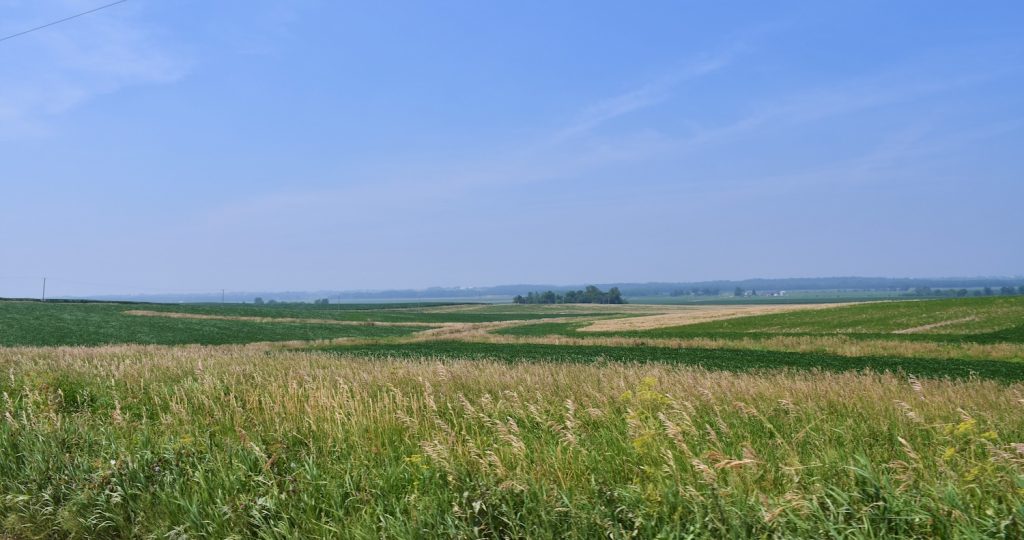
The atmosphere
The atmosphere is like a giant container for holding N. The only catch is that it’s in gas from. Plants, especially legumes like soybeans, can pull that into the soil.
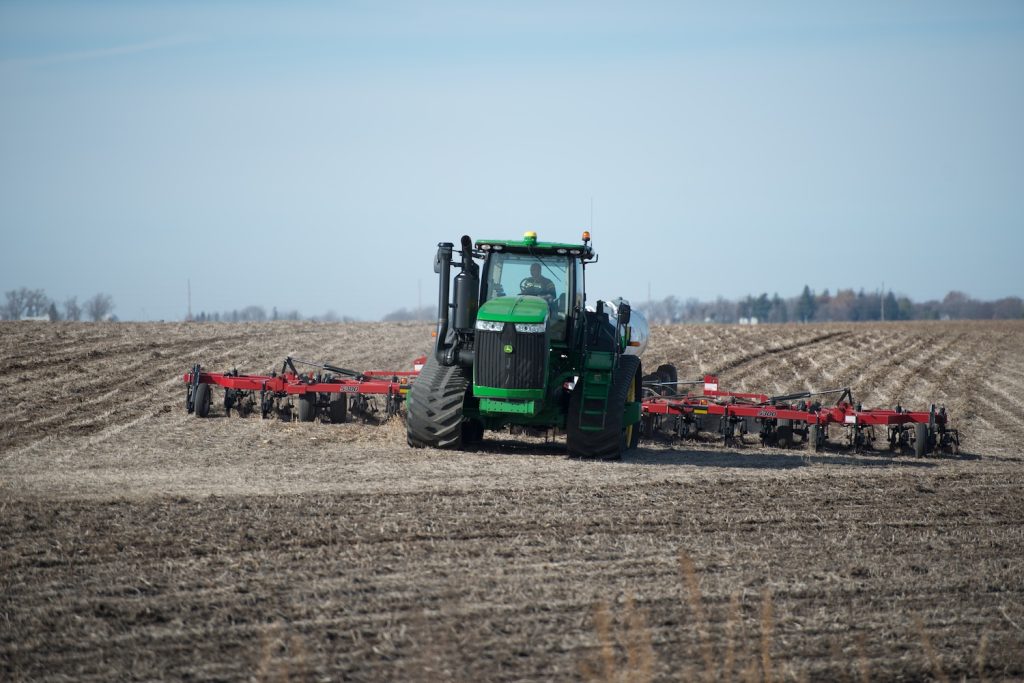
Commercial fertilizers
Commercial N fertilizers are made by pulling nitrogen from the atmosphere to create anydrous ammonia. This is the starting point to manufacture other nitrogen fertilizers. This is the most expensive source.
Organic N
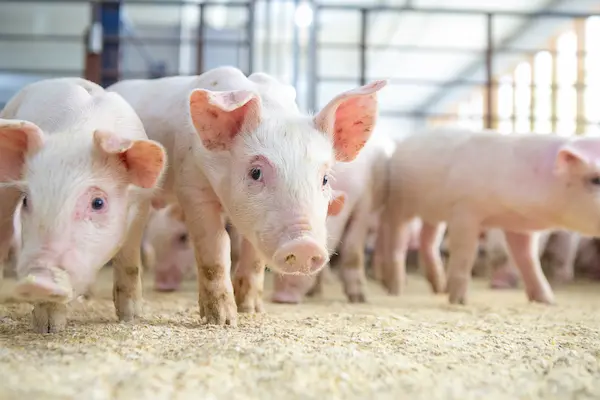
Organic N has to be converted to plant available forms. It’s found in sources like manure, crop residue from last season, and soil organic matter. The key to unlocking organic N is having healthy soils.
Preventing N loss on the farm
Fertilizer is one of the most expensive inputs for farmers, that’s why it’s so important to keep it in the field. Healthy soils can also help farmers to apply less fertilizer because healthy soil with lots of microbial activity can convert more of the naturally occuring nitrogen in the ground into plant-usable nitrate.
Cover Crops
Cover crops have living roots in the soil. They hold onto nitrogen until the crop needs it and prevent erosion. Learn about cover crops here.
4R+
4R+ is a way to remember four key tactics for best nitrogen use: Right time, right place, right source, right amount, plus other nitrogen practices. Read about 4R+ here.
Saturated buffers
Saturated buffers and bioreactors are underground at the edge of the field and help clean subsurface drainage. Read more here.

Wetlands
Nature’s water filter – wetlands capture nutrients, slow runoff, and provide critical habitat. They also recharge groundwater. Read more here.