
Sustainable Livestock Practices
Livestock are a major part of Iowa’s agricultural scene, and how they’re managed can have a major impact on improving water quality. Sustainable livestock practices help livestock producers get the most value out of their inputs, while also benefitting soil health and water quality. With the right strategies in place, livestock farms can run more efficiently, reduce nutrient loss, and contribute to healthier farms and communities.
Iowa’s livestock farmers are managing manure as a fertility resource, implementing cover crop or rotational grazing plans, and integrating livestock with crop production to create a balanced farm system that manages nutrients and boosts soil health effectively. Each of these practices can be tailored to specific farms’ size and goals.
By focusing on sustainability, Iowa livestock farmers can strengthen their operations to get the most out of their inputs while boosting conservation efforts and water quality.
Some of the best practices for sustainable livestock systems include:

Grazing Cover Crops
To take your cover crops and soil health to the next level, you can graze cattle on them. In this case, cover crops are planted with the intention of feeding cattle fresh nutrients and fertilizing soil rather than being harvested.

Anaerobic Digesters
Anaerobic digesters take manure, grasses, and sometimes other ingredients (called feedstock) and turn them into renewable gas. It happens through a process called anaerobic digestion.
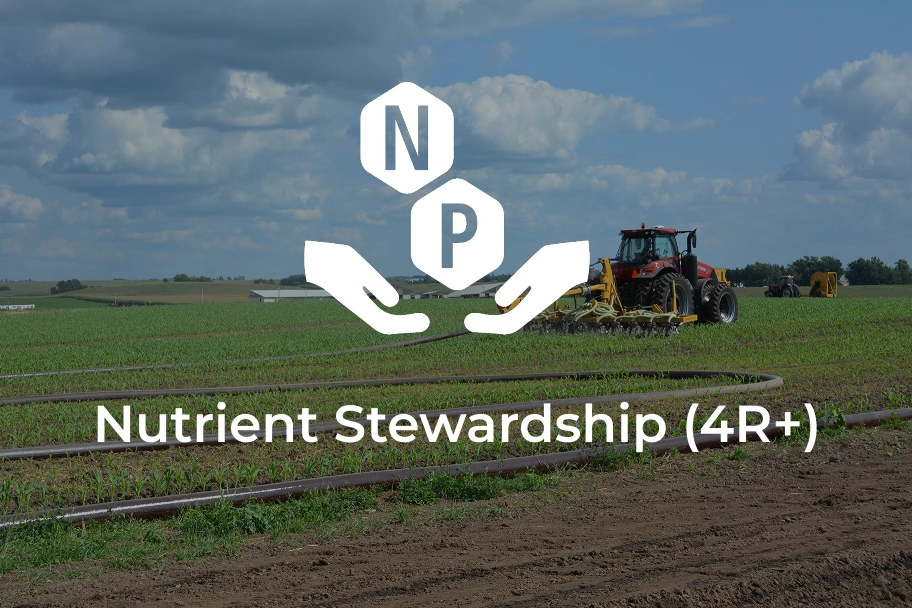
Nutrient Stewardship (4R+)
Right Rate, Right Time, Right Placement, and Right Source of nutrients to maximize fertilizer use efficiency and ROI.