Cover Crop Grazing
Taking your cover crops and soil health to the next level
Cover crops are planted in between cash crop seasons and are a great tool for improving soil health and preventing erosion.
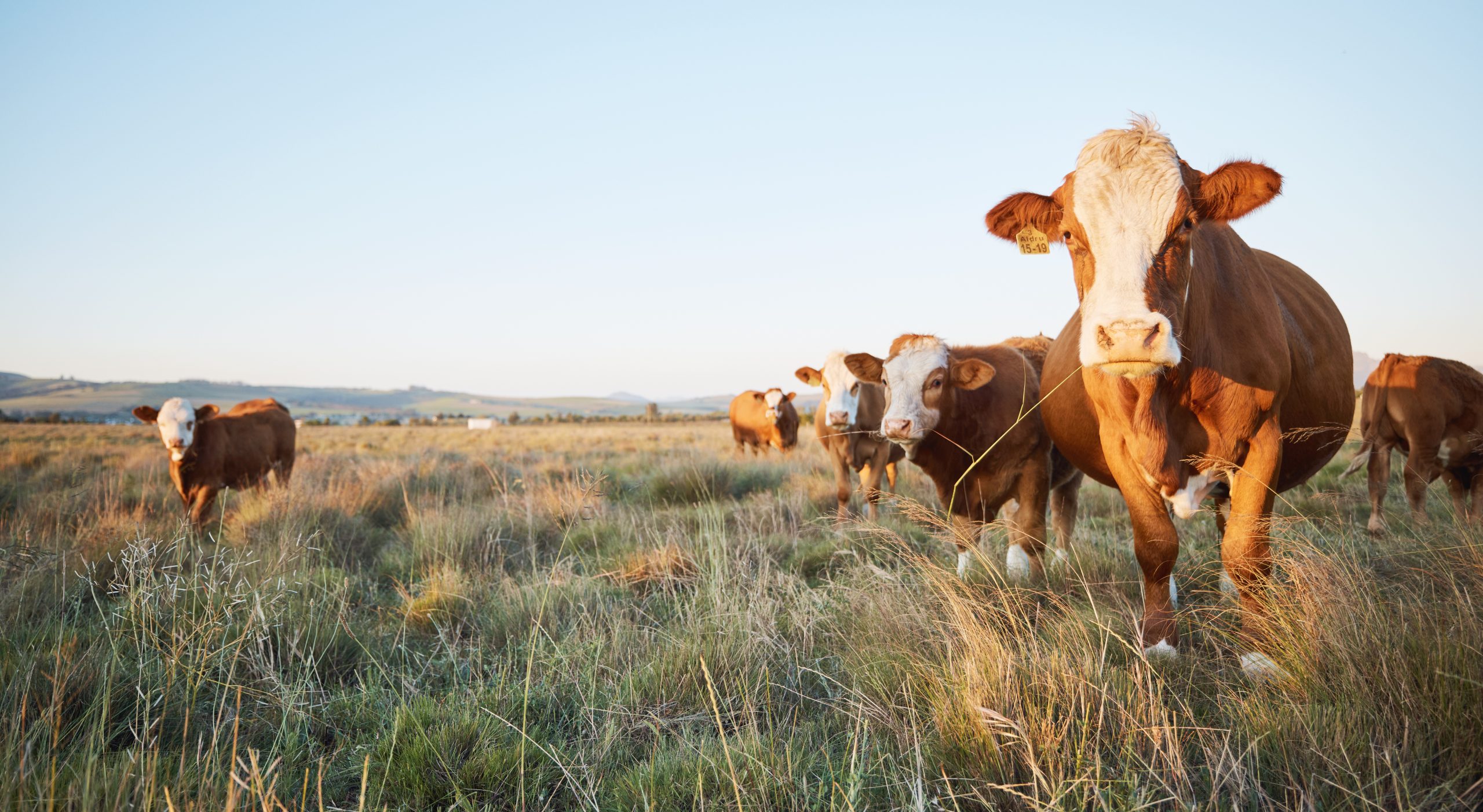
To take your cover crops and soil health to the next level, you can graze cattle on them. In this case, cover crops are planted with the intention of feeding cattle fresh nutrients and fertilizing soil rather than being harvested.
How It’s Done
Start by asking yourself these questions:

What are your goals?
Is soil health your primary driver? Cattle health? Do you want to avoid hauling manure during certain seasons? This can help you make decisions down the road.

Do you have any constraints?
For example, what is the last possible day you can plant your cash crop? Or do you have a landlord with specific needs or requests?

What resources will I need?
Livestock need water, fencing, and more. It is also important to get help from agronomists, veterinarians, and other experts. We’ll walk you through some of these resources in the next section.
What To Plan For
To get started, consider the following costs.
Exterior Fencing
This fencing will be a little more sturdy than interior fencing. It surrounds the exterior of the field or entire section you want to graze. To prevent issues, also make sure the grass is always greener on the cattle side of the fence!
Interior Fencing
Cross fencing can be used to gradually graze across the field. You can limit the cattle’s movement during rain events, force them to eat the cover crop at a certain development point, and prevent overgrazing any particular area.
Water
If you can, consider adding a 1 inch water line to a portable tank. You can also haul water as needed.
Cover Crop Seed
Cereal rye is a popular choice. Remember, once it hits the reproductive stage, nutrition value is lower. You will need more seed/acre than a field that is not grazed. A knowledgeable cover crop seed salesman can help you with a good mix.
Salt And Mineral
You might need more mineral or salt, which is critical to growth and reproduction. We recommend talking with your veterinarian about this.
Termination Method
Chemical or roller crimping termination have different costs and pros and cons.
We recommend working with your local USDA office, conservation agronomist, sales agronomist, cover crop dealer, and veterinarian for the most up-to-date expert guidance and recommendations.
FAQ
BENEFITS:
- Reduced feed cost – Farmers saved on average $3,851 per year on total mixed ration (TMR) according to a 2021 study.
- Increased farm profitability – Farmers in the same study who planted rye between soy and corn profited on average $73.52 per acre.
- Increased land efficiency – Land gets used more effectively year-round
- Improved soil health – Grazing cover crops increases organic matter in the soil as well as improves soil structure, reducing erosion.
- Improved nutrient management – The increased organic matter in the soil improves its ability to retain nutrients. Additionally, the livestock naturally deposit manure on the soil, reducing need for commercial fertilizer.
- Hay later
- Don’t have to haul manure as much
- Planting green can smother out weeds
Challenges & Risks To Mitigate:
- Takes time and effort to manage cattle rotations and hauling water
- Cover crop application method if you don’t have a drill because you need the cover crop planted early
- Wet, muddy weather can cause uneven ground, which can affect cash crop planting
- Making sure cattle are getting the right nutrients
- Compaction?
- Upfront cost
Cost-Share Options
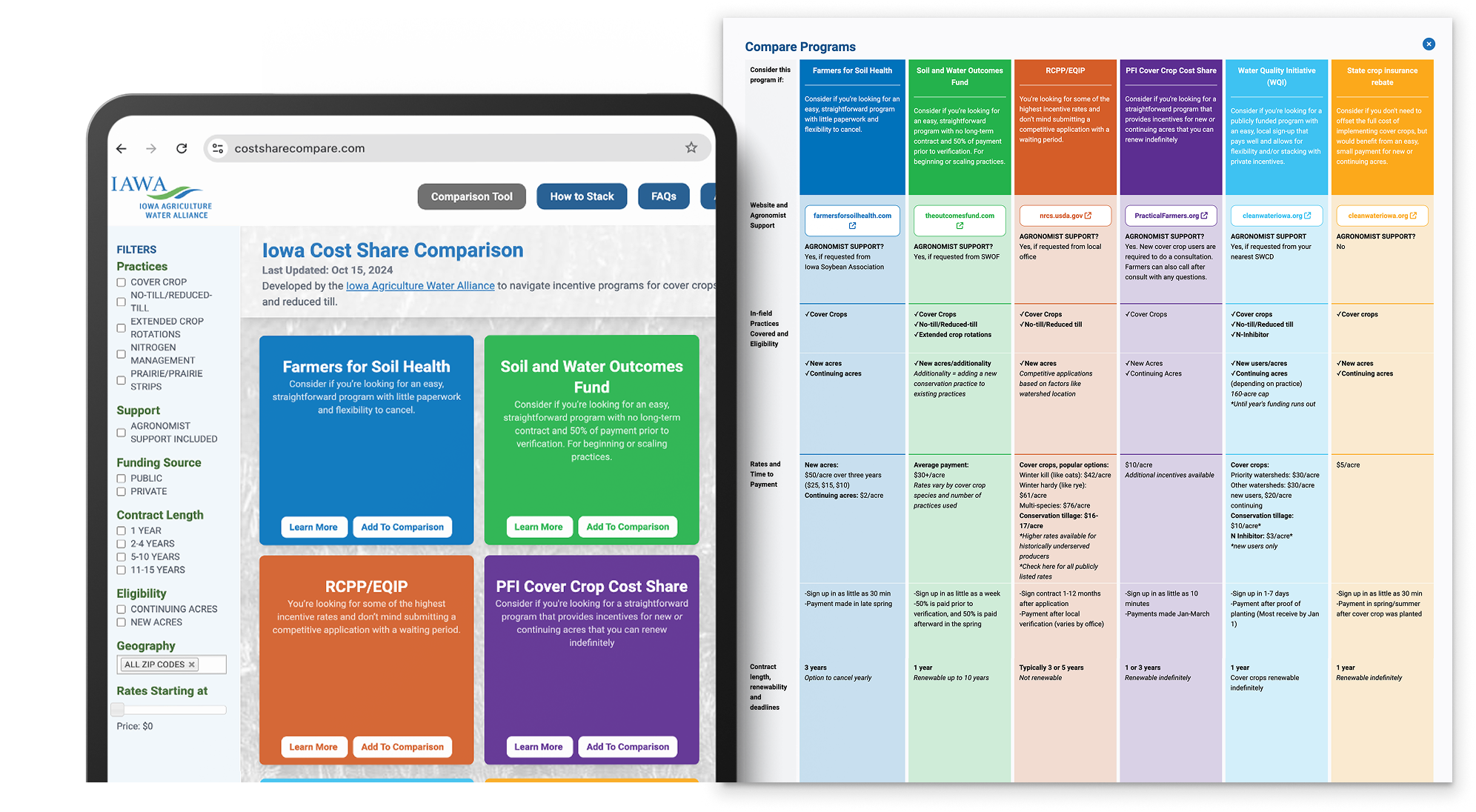
Detangling cost share programs
There are incredible cost-share opportunities that can cover or even exceed these costs. Our comprehensive cover crop cost share guide can help you find the best options for your operation.