Batch & Build
Changing conservation on private lands
What is “Batch & Build”?
Batch and build is a method of delivery for conservation that brings efficiency and speed to conservation on private lands. It works exactly like its title suggests. A practice – like saturated buffers – is installed in batches in a neighborhood or community. The most common batch and build projects in Iowa are saturated buffers and bioreactors (edge-of-field practices) but some communities are now beginning expand batch and build to other conservation practices.
Batch and Build practices are typically 100% paid for by donors and public grants, so landowners don’t need to worry about financial risk or costs.
What is a bioreactor or saturated buffer?
Cleaning water through natural processes
Bioreactors and saturated buffers are edge-of-field filters that clean water before they enter the stream. The best way to learn about them is by watching the video here, or visiting our conservation library at the links below.
Frequently asked questions
Farmers and landowners
You’ve been asked to participate in a batch and build. Here are some answers to questions that you might have:
will bioreactors or saturated buffers cause drainage backups into the field?
No. The name “saturated buffer” can be deceiving, because some people think it means too much saturation in the field. But edge of field practices are designed with a bypass system in case of heavy rain, so farmers can rest assured their crops will not be impacted.
If I sign up for edge of field batch and build, will i be able to change tile lines in the future?
Yes, you will be able to add or change tile lines. Be sure to talk to your project coordinator about this so they can make sure everything is engineered appropriately for your current field and future plans.
If I sign up for a batch and build project, am i financially obligated?
Batch and build projects are 100% paid for by public and private partners and require no funding from the farmer or landowner.
how much of a time commitment is this for me?
For edge-of-field batch and builds (bioreactors and saturated buffers), you will be contacted about once a season to keep you informed about the process in case you have any concerns or questions. That’s it.
How long does batch and build take? and how much will i be involved?
For saturated buffers and bioreactors, this is the general 16–18-month timeline, but it may differ by batch or location.
- Winter – Project coordinators gain interests from neighbors about participating.
- Spring – Usually before planting, the project coordinator will get permission to survey your land to see if it’s a good fit for a bioreactor or saturated buffer.
- Summer – The project coordinator will show you a preliminary design and get your permission to move forward.
- Fall – Final designs come in and will be shared with you. Bids go out for contractors.
- Following spring – Construction begins. You will be contacted about when it will happen and what to expect.
How long do the structures last?
Bioreactors need to be “recharged” every 10 years. Saturated buffers have a longer lifespan, but since the invention is only about 15 years old, we are still learning how long they last. If you want to be actively involved in the future of your new edge-of-field practice, we recommend downloading “Maintaining the Edge“, a guide put together by drainage experts and farmer advocates.
What maintenance is needed after edge-of-field structures are installed?
Maintenance should be minimal. A group of edge-of-field experts put together this guide on everything you need to know about maintenance. There are checklists at the end of each section so you know what to do. That link also includes a video series for those who learn better with video.
Frequently asked questions
From project coordinators and fiscal agents
You’re interested in leading or participating in a batch and build. Here are answers to a few questions you might have:
what do project coordinators do?
Primary role: overseeing project management and implementation
Key responsibilities include:
- Coordinating between landowners, contractors, engineers, and state agencies and ensuring communication to all stakeholders
- Managing the batching process by grouping multiple sites into one bid package for bidders
- Tracking progress on site designs, construction schedules, etc.
- Reporting project milestones to all stakeholders.
what do fiscal agents do?
Primary role: Managing financial administration of the project
Key responsibilities include:
- Handling grand funding or program money coming from sources such as the Iowa Department of Agriculture and Land Stewardship
- Paying contractors, engineers, and other vendors.
- Tracking and reporting financial costs
- Submitting reimbursement requests and ensuring proper documentation for audits.
do project coordinators receive funding?
Project coordinators do not receive public funding. However, sometimes, a batch and build project is a great way to fundraise for staff time from private entities.
where does installation money come from?
It can come from a variety of sources which may include the Iowa Department of Ag and Land Stewardship, county funds, private donors, and USDA.
being a project coordinator or fiscal agent sounds hard. why would i want to play this role?
The Batch and Build model is a proven model for success and if you follow it, you will see success in your community. Polk County has gone from about 6 installations over 5 years, to over 200 over 4 years. If you want to improve water quality and make a difference quickly, this is the way.
Learning from an edge of field batch and build can also prepare you to batch other practices like wetlands or riparian buffers. Operating a batch and build can create trust with your community to open up conversations about other conservation practices and more collaboration.
what should i do if i want to become a project coordinator or fiscal agent?
We recommend starting by reaching out to the Iowa Department of Ag and Land Stewardship’s Water Quality Division. Their staff will help you understand what it takes to be a project coordinator or fiscal agent.
We also recommend reaching out to entities that have completed successful batch and build projects such as Polk County, City of Cedar Rapids, or Heartland Coop. IAWA would be happy to make a connection for you. Just email one of our staff or admin@iaagwater.org.
Finally, if possible, it helps to partner with an existing batch so you can learn before you jump all the way in.

Already have a bioreactor or saturated buffer? Check out this booklet that’s a straightforward guide to keeping your edge of field practice operating as designed.
Conservation practices that work well in a batching model
The batch and build model has been primarily used for saturated buffers and bioreactors, but the method can be effective for any conservation practice with the right team and support behind the scenes!

Saturated Buffers
The go-to practice for edge-of-field changes that don’t impact farm management, saturated buffers filter water by directing it to a buffer where nature removes nirates naturally.

Bioreactors
Bioreactors are the second-best practice at the edge of a field when farmers don’t want land impacted. Bioreactors filter water through woodchips that remove nitrates naturally.

Stream buffers
Stream buffers are strips of vegetation along waterways that helps filter runoff, reduce erosion, and protect water quality by trapping sediment, nutrients, and pollutants before they reach the stream.

Wetlands
On agricultural lands, wetlands typically replace unprofitable acres. Their benefits include flood risk reduction, habitat, beautiful scenery, and nutrient removal.
Partner Spotlight: Iowa Pork
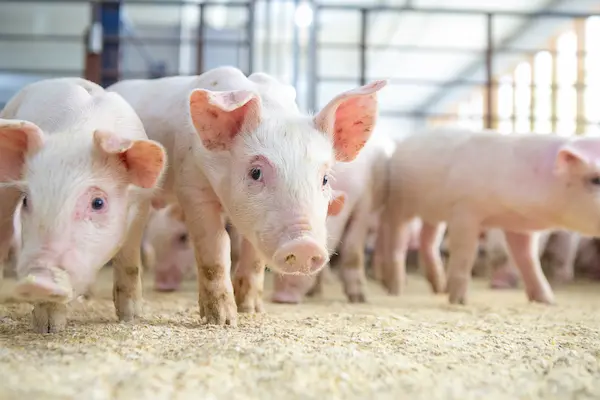
Pig farmers embrace batch and build model
One of our founders, Iowa Pork, is helping to spread the batch and build model to improve water quality in the Boone River and North Raccoon River. They are partnering with the Iowa Department of Agriculture and Land Stewardship (IDALS), and the Iowa Nutrient Research and Education Council (INREC) for the program. In the first year alone, they estimated 65 structures would be installed.