How cross-watershed collaboration across state lines can spark change and quicken progress
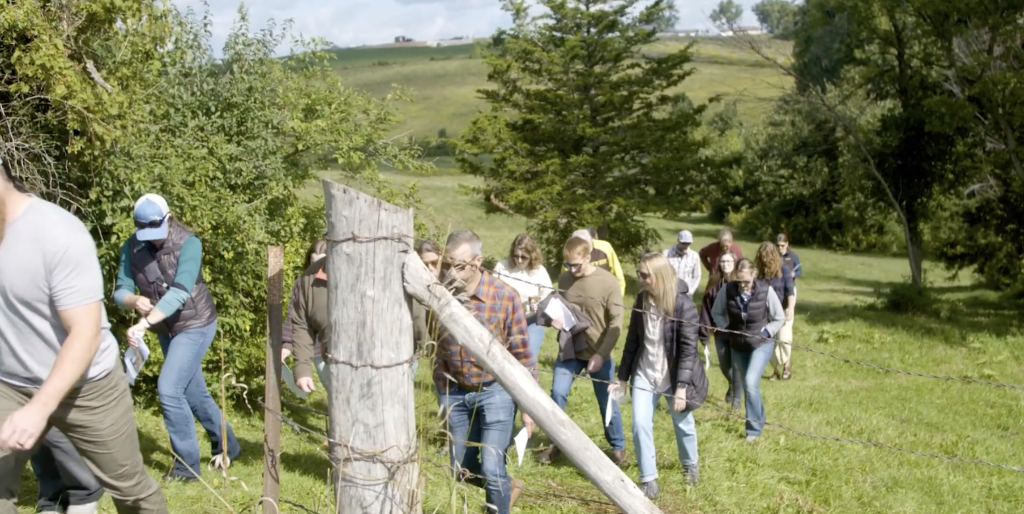
Screenshot from “Currents of Change” (Courtesy of University of Iowa)
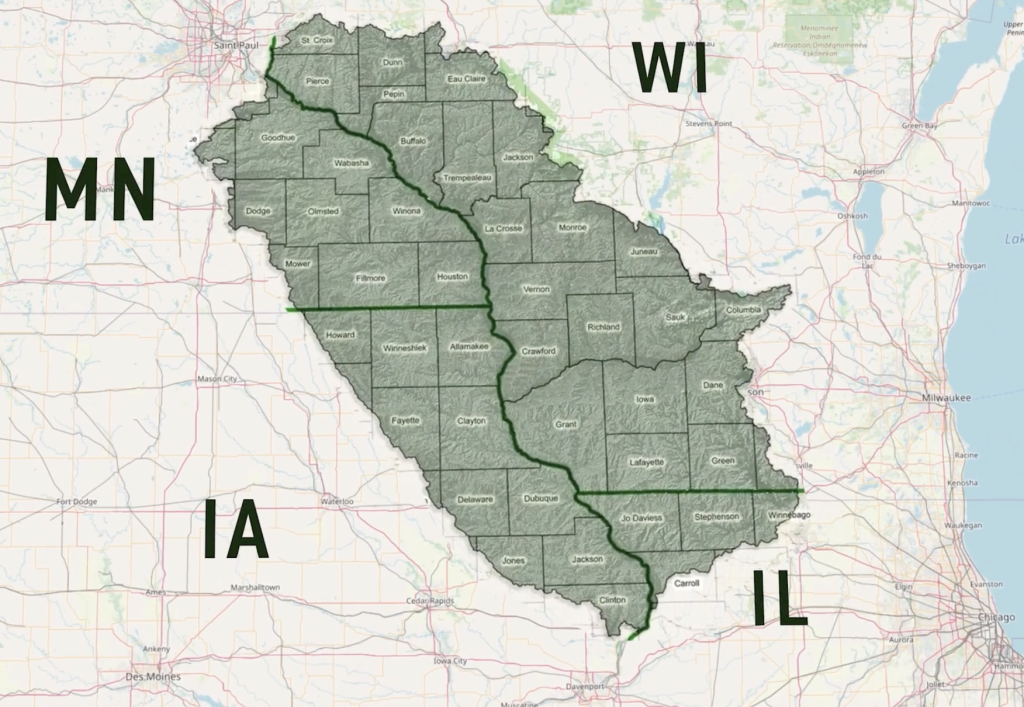
COON VALLEY, Wisc. (July 14, 2026) — Watershed groups in Iowa and Wisconsin are building a cross-state network to trade flood-mitigation and water-quality strategies, an effort now documented in a new University of Iowa video, “Currents of Collaboration.”
Produced by IIHR—Hydroscience & Engineering with Northeast Iowa RC&D, the Coon Creek Community Watershed Council, Trout Unlimited, and the Wisconsin Wetlands Association, the video highlights the power of group learning.
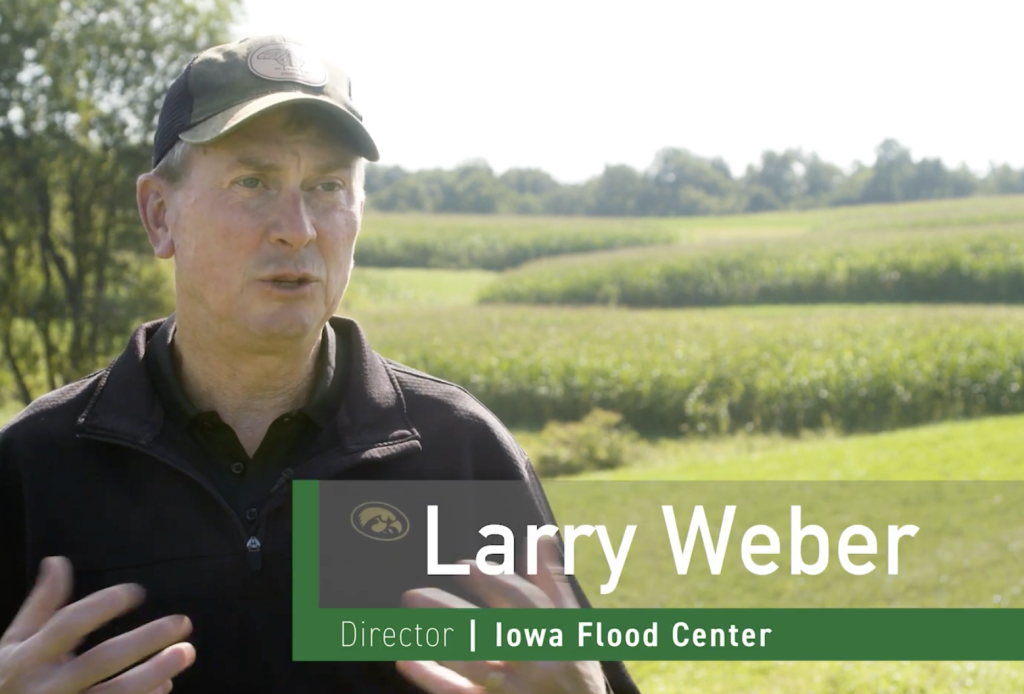
Larry Weber (Courtesy of Iowa Flood Center)
The collaboration between watersheds took shape after record-breaking floods hit the two states a decade apart, in 2008 and 2018.
“There was just a lot of common interest in how we can work at the watershed level to reduce flooding,” said Larry Weber, co-founder of the Iowa Flood Center, in the video. “And while reducing flooding, also improving water quality.”
Weber and fellow researcher Witold Krajewski founded the Iowa Flood Center in 2009, after Iowa’s 2008 flood devastated the eastern part of the state and forced the evacuation of the university’s own hydraulics lab on the banks of the Iowa River.
Ten years later, Wisconsin’s Driftless Area was hit by its own historic flood: up to 12 inches of rain fell over six hours on August 27, 2018, bursting at least five flood-control dams and causing an estimated $14 million in public infrastructure damage in Vernon County alone. The Kickapoo River at Viola crested at 23.72 feet, breaking the record set during the 2008 flood.
Those back-to-back disasters pushed partners in both states to start comparing notes, and the exchange has since grown into an ongoing cross-watershed community.
One of the groups featured in the video is Wisconsin’s Coon Creek Watershed — the nation’s first conservation demonstration project, launched in 1933 by the federal Soil Erosion Service (now NRCS), the University of Wisconsin, and the Civilian Conservation Corps.
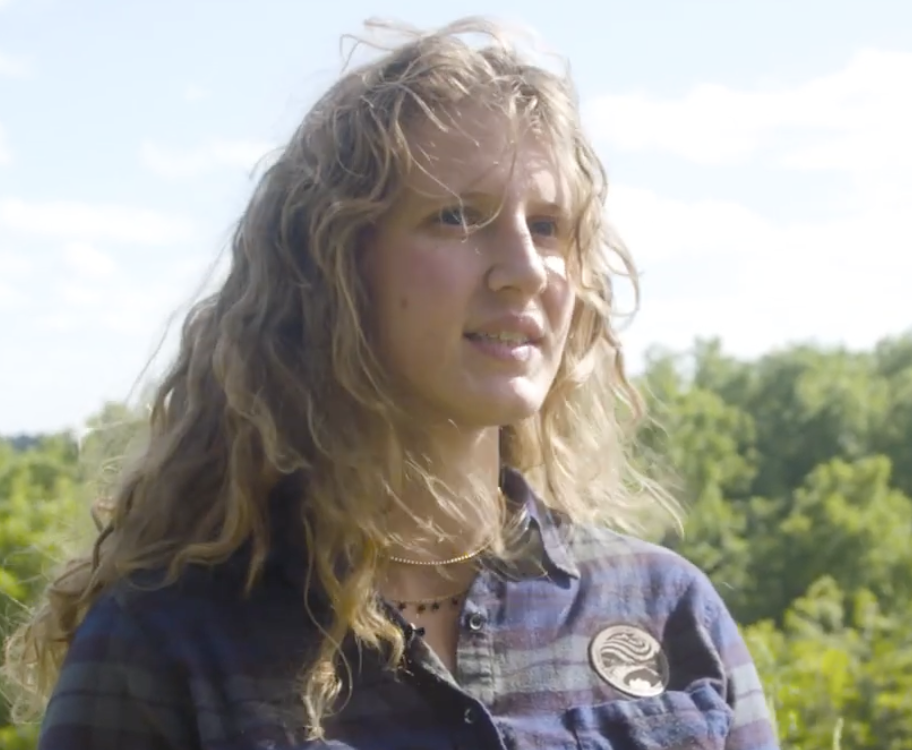
Sydney Widell (courtesy of Iowa Flood Center)
“The energy and ideas and collaborative spirit that brings this group together really predates the [2018] flood,” said Sydney Widell, Coon Creek Watershed Coordinator. “It was a proving ground for a lot of practices that have gone on to inform conservation best practices nationwide and truly globally.”
“We look to our history to remember that we’ve faced challenging situations before,” Widell said, “and it’s possible to coordinate at a watershed scale to address them.”
The video points out that these partnerships translate into results: Iowa’s flood recovery ultimately led to the $97 million Iowa Watershed Approach, which funds flood-mitigation and water-quality projects across nine watersheds statewide.
“I think partnering with others who have done it before certainly helps launch a watershed activity more quickly and more effectively,” Weber said.
As the narrator puts it, “It’s been said that many small streams make a great river. In the Upper Mississippi Basin, that proverb runs deeper than water. It defines how watershed partnerships can thrive.”