
Preparing for a cost share meeting
Cost share programs are fantastic resources for implementing conservation practices. We’re here to help you get ready to meet with your local conservation expert with confidence!
The Process
Here’s how it works:
This process can vary widely depending on the funding source and particular conservation practice that is being implemented. We recommend you start by contacting a conservation agronomist. They’ll walk you through the process and help you meet your goals!
1. Set Goals
Identify what you’re looking to get out of implementing conservation on your farm. This will guide your decision making further down the line as you look at different options for practices and programs.
2. Do Your Research
Read about various practices, familiarize yourself with some of the programs and funders. Many of the resources on our website are designed for this purpose, especially the Cost Share Comparison Guide and our conservation practice library.
3. Get connected
Reach out to your Conservation Agronomist, head to the local NRCS office, or talk to a conservation professional to answer any questions you may have and to formally start the application process. This is where any prep work you did will make moving forward faster and easier!
4. Build Your Plan
Work with a conservation professional to decide what practices to implement, how to get the most out of your funding by layering programs, and more. Different programs require various planning timelines before beginning implementation. This step allows you to build in that timing.
5. Implement the Practice
Once the funding is approved, it’s time to implement the practice. If you’re new to it, talk with your Conservation Agronomist or a neighbor who’s done it before. Land and water stewardship is an exceptionally rewarding path, and there is lots of support available to you.

Key Considerations
Stakeholders
Every farm looks different and has different people involved. Before implementing certain conservation practices, it can be important to discuss with some key stakeholders. Depending on your whether you rent or own the land, these people can include the landowners, co-owners, renters, or your conservation agronomist. Make sure to run these decisions by them and get on the same page about it, especially edge of field structures.
Funding Source
There are a number of funding sources to choose from. With federal dollars, state funding, and private programs, some cost share incentives have different rules about what can stack, how or when to apply, and other nuances. They also have widely varying timeframes for how long the application and approval process takes, so make sure to approach each program with an open mind.
Mindset
Working with a trusted conservation partner is an important part of making this process smooth and efficient. However, some offices can be understaffed or underfunded. A major key to conservation success is to not let that experience kill your interest or momentum. There are lots of available resources and teams out there, and we’d love to get you connected with them.
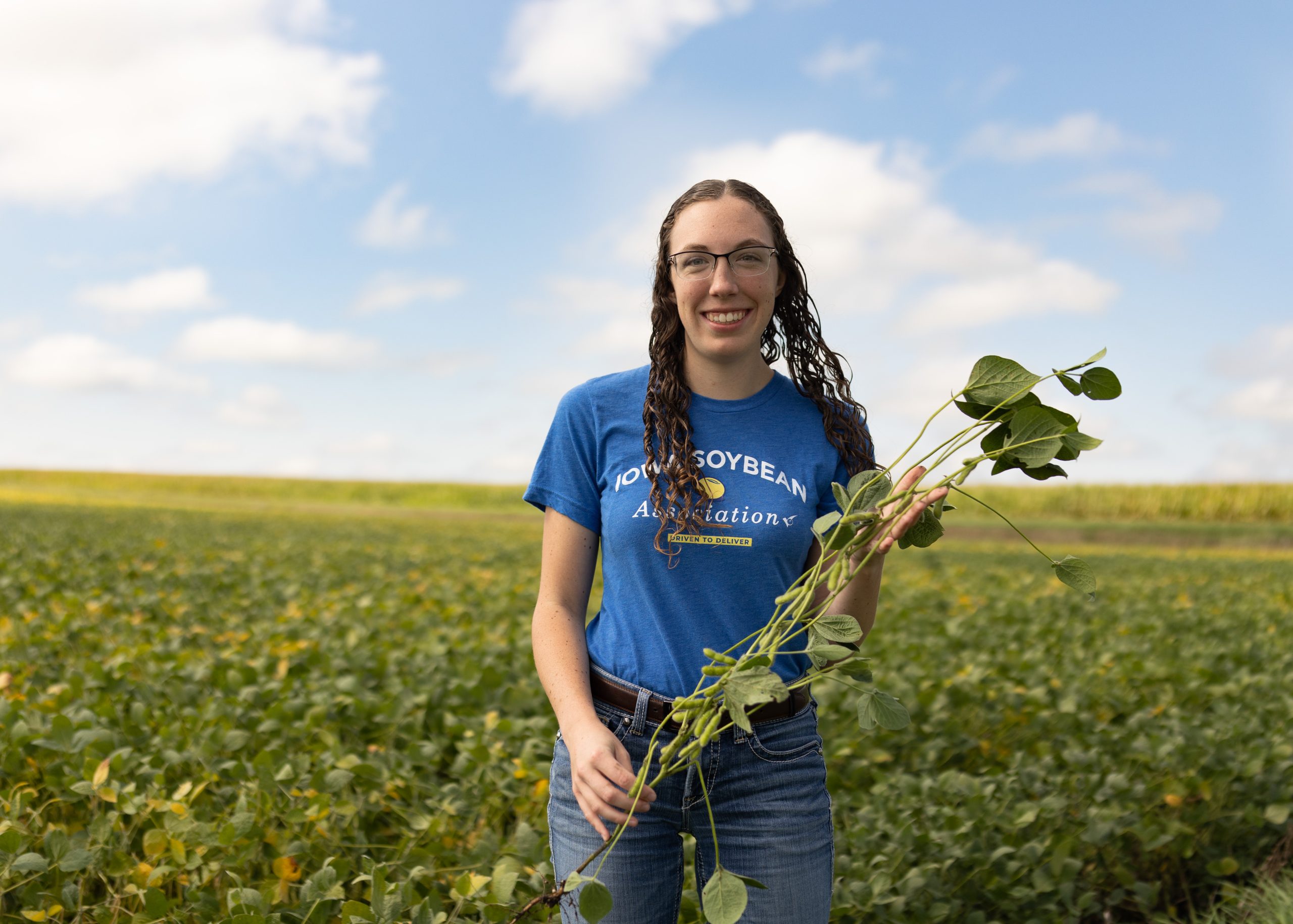
Partner Spotlight: Iowa Soybean
Conservation team leading farmers through the process
ISA’s conservation team has been helping farmers maximize their cost share and conservation efforts by streamlining the process and working directly with the funding organizations. Find a CA or connect with their team to get started in accomplishing your conservation goals.

FAQs
More Resources

Conservation Compass
Detangling cost share programs
There are millions of dollars and dozens of programs available to pay farmers for cover crops, wetlands, prairie, and more. With our tools, it doesn’t have to be confusing or overwhelming!
More Resources
Here are more helpful resources on watershed planning:

NRCS has a directory of programs and initiatives that they are currently funding.

Practical Farmers of Iowa offers a wide selection of programs offering private dollars for conservation practices.
CDI shares a Batch & Build presentation from Polk County’s John Swanson.
Back to The Compass Home
Find anything you need related to cost share from our landing page.