

Spotlight Stories
Explore IAWA’s original reporting on the latest conservation news
-
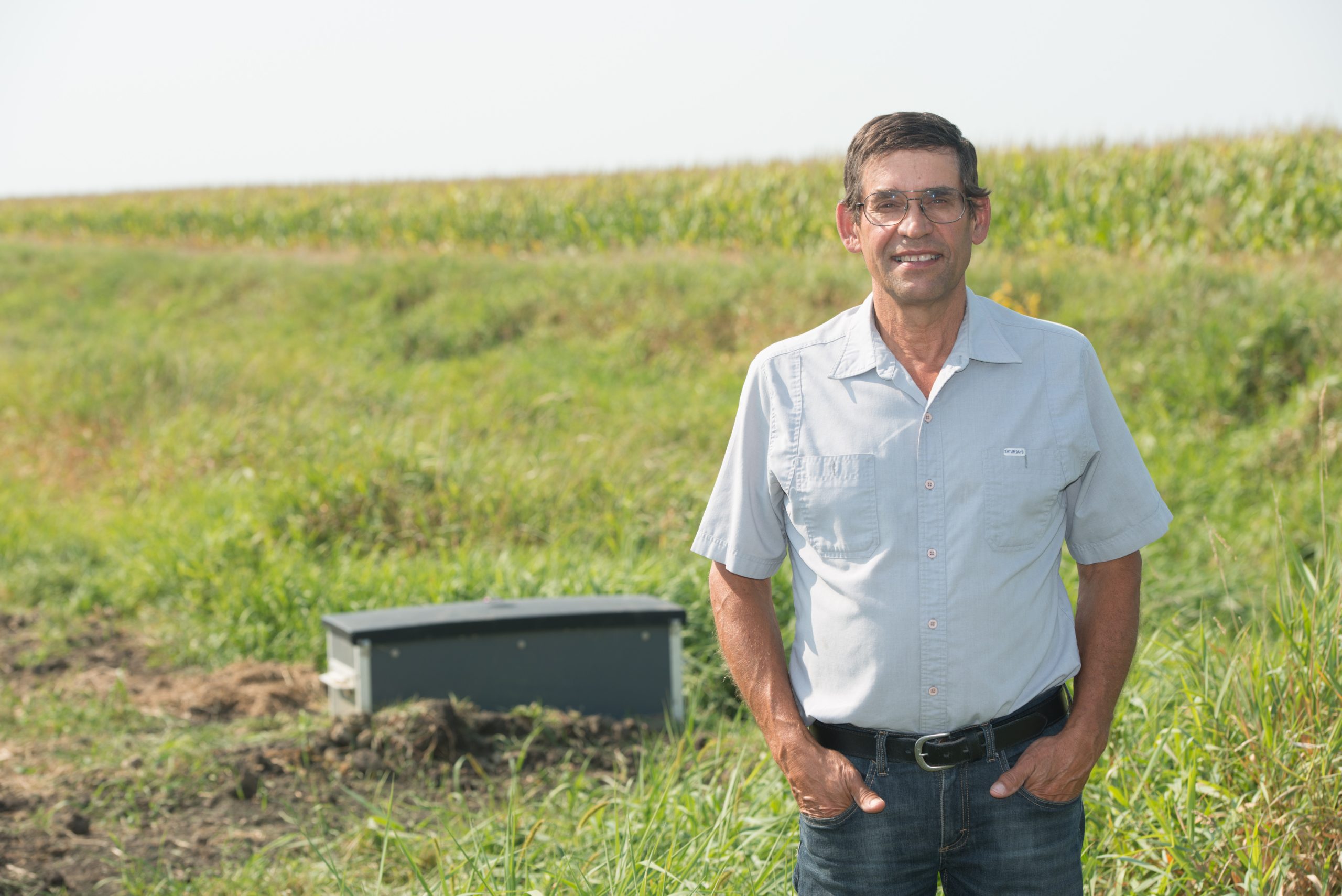
Second Wave of Conservation Farmers Boosts Rock Creek Progress
Posted onKevin Sprung had mixed feelings about the two saturated buffers installed last summer on his farm near Osage, Iowa. “At first, I resisted the idea. I spent a lot of…
-
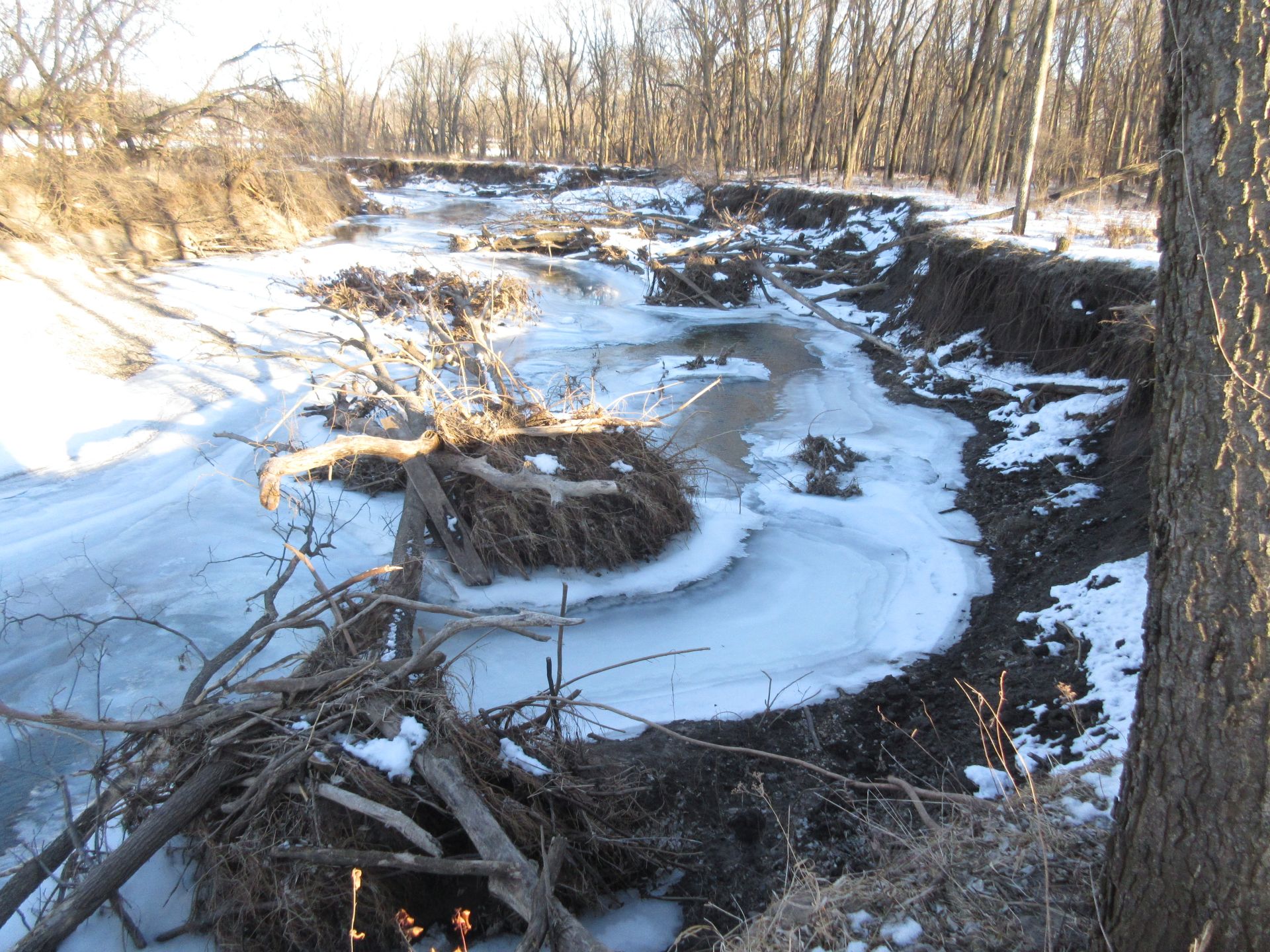
Collaboration through Fourmile Creek Watershed for Water Quality
Posted on[siteorigin_widget class=”SiteOrigin_Widget_Slider_Widget”][/siteorigin_widget] John Swanson has a lifelong fondness for Fourmile Creek. “I grew up playing in Fourmile Creek as a kid,” he says. Swanson is the watershed management authority coordinator…
-
Central Iowa Watershed Plan Engages Urban Rural Collaboration
Posted onUrban and rural stakeholders continue to work together to determine the right combination of practices needed to form an integrated system that best meets local watershed and priority resource needs.…
-

Iowa Delegates Taking Steps to Secure a Positive Water Future
Posted onOne Water Summit 2017 in New Orleans, Louisiana By: Sarah Feehan The Iowa Agriculture Water Alliance (IAWA), in collaboration with the Iowa Soybean Association (ISA) and the Iowa Corn Growers…
-
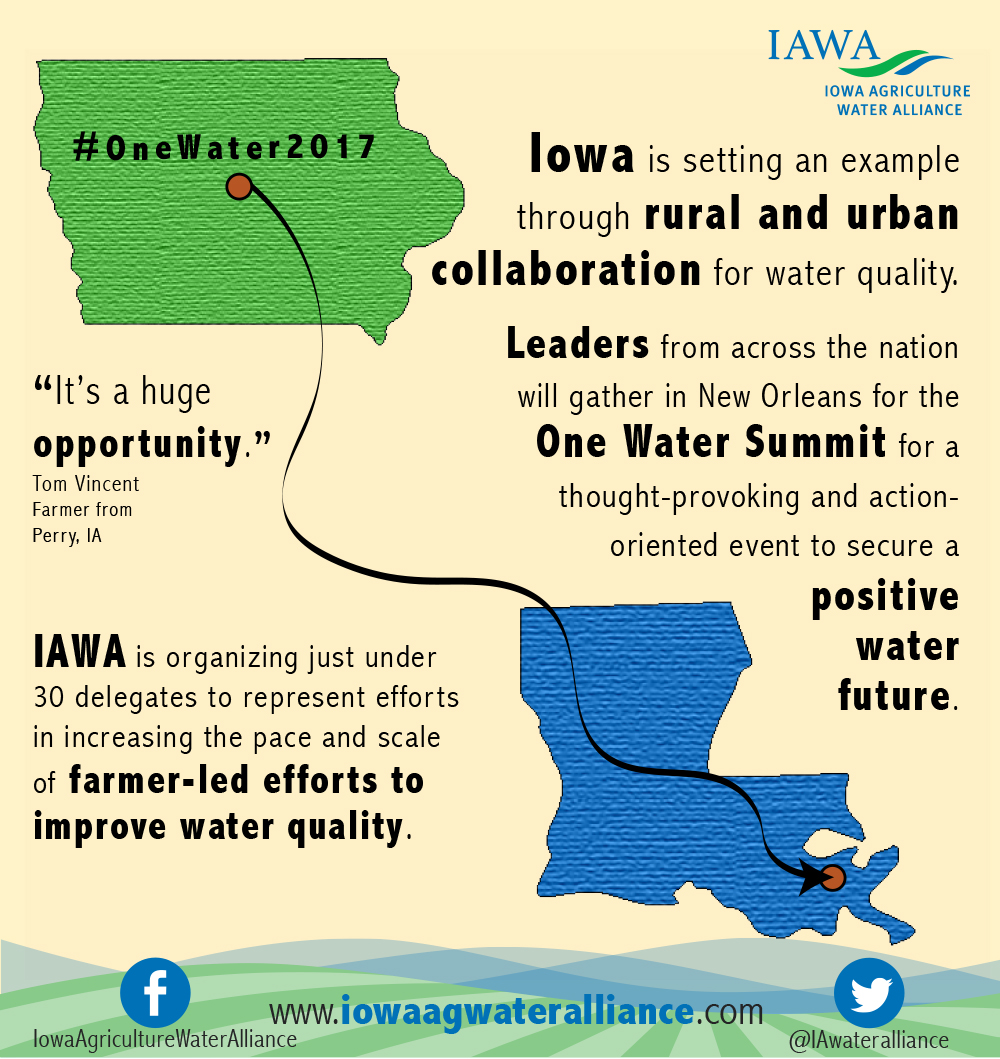
Diverse Delegation to Make a Splash at One Water Summit 2017
Posted onPartnerships Are Key to Addressing Water Quality Challenges and Implementing Lasting Solutions By Sarah Feehan “Public-private and urban-rural partnerships are vital to implementing the Iowa Nutrient Reduction Strategy,” says Sean…
-
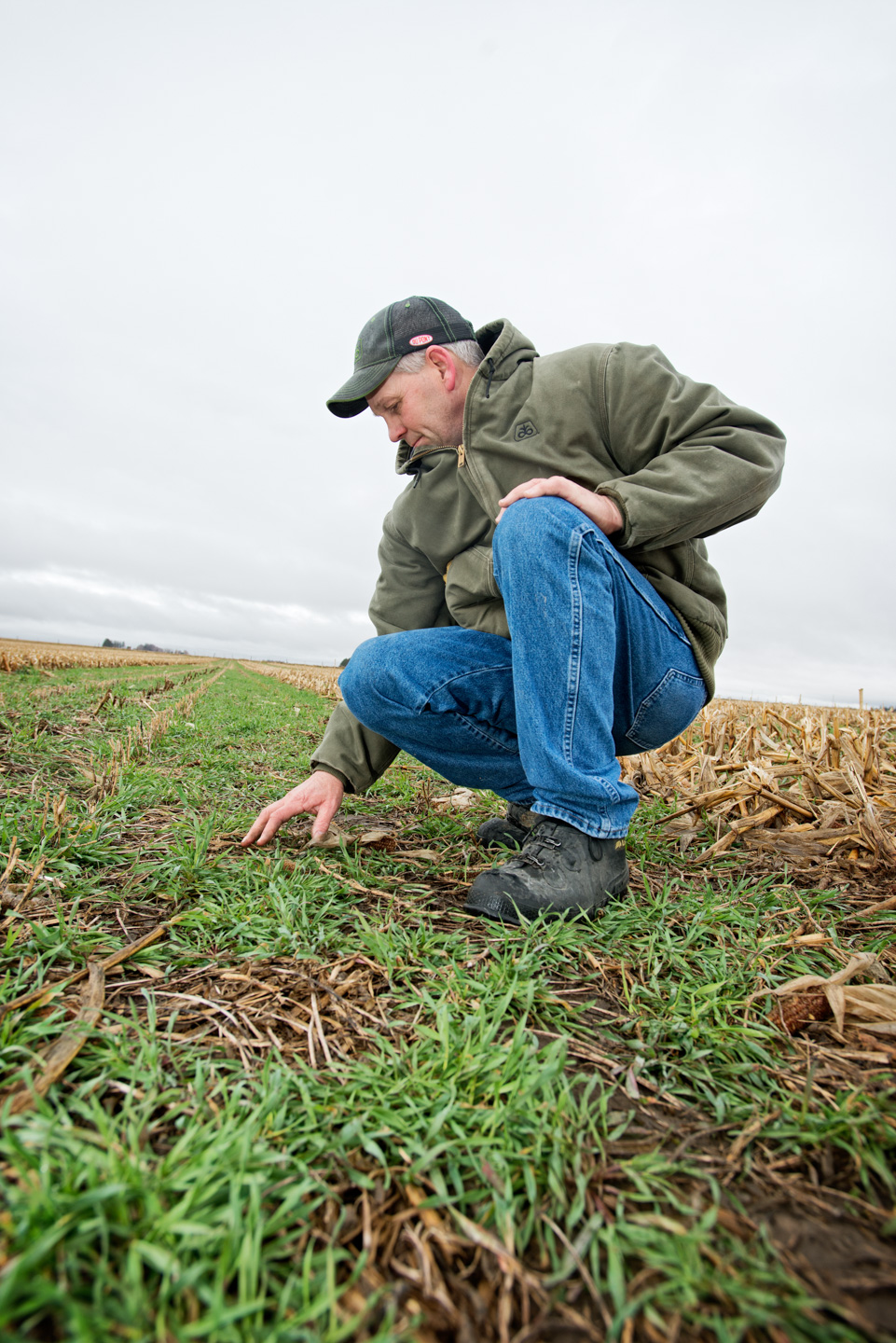
Creating Rural Economic Opportunities and Improving Water Quality
Posted onAcross Iowa, it’s people who are building a new green infrastructure to improve water quality. (2nd in a 2-part series) Across Iowa, it’s people who are building a new green…
-
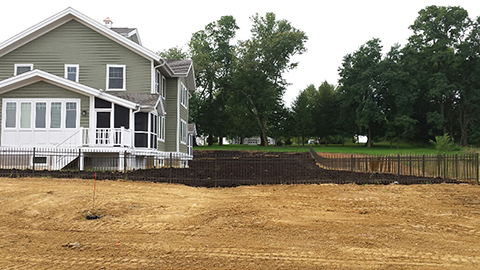
Creating Economic Opportunity While Improving Water Quality
Posted onAcross Iowa, it’s people who are building a new green infrastructure to improve water quality. 1st in a 2-part series Across Iowa, it’s people who are building a new green…
-
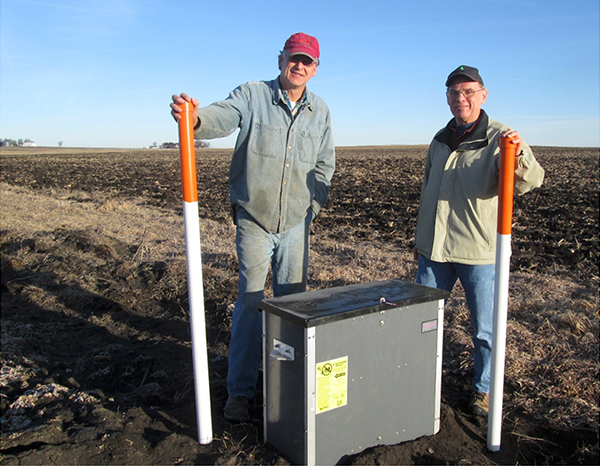
Iowa Landowners Get Moving with Conservation Collaboration
Posted onNearly 60 percent of Iowa farmland is owned by someone other than the family farmers who operate it. This means that a majority of Iowa farm land-use decisions are made…
-
Precision Business Planning, Conservation, and Profitability
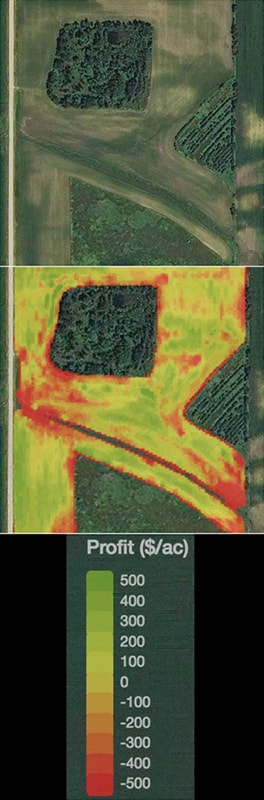
Posted onIncreased Conservation Practices for Increased Profitability These types of comparative field images are helping farmers improve profitability. Top: Aerial field viewed by the naked eye just shows wet and dry areas.…
-
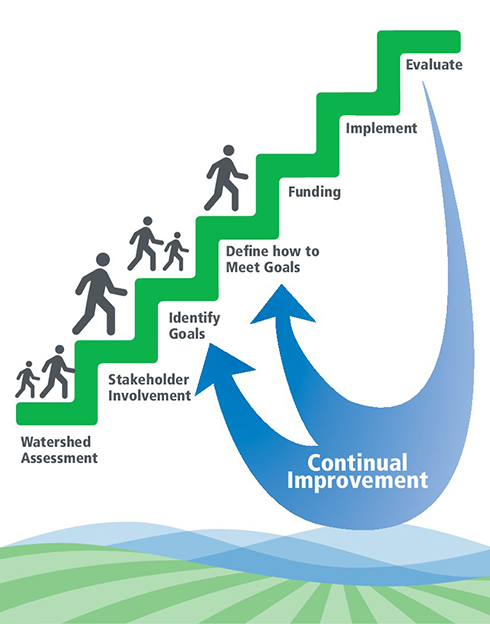
Watershed by watershed progress
Posted onIowa’s landscape is divided into about 1,600 watersheds that span about 22,000 acres apiece. It’s in these individual watersheds that progress is being made toward keeping nutrients on the…