
Prairie
Reduce soil erosion, improve water quality, and provide wildlife habitats with prairie strips
Prairie Strips vs. Prairie
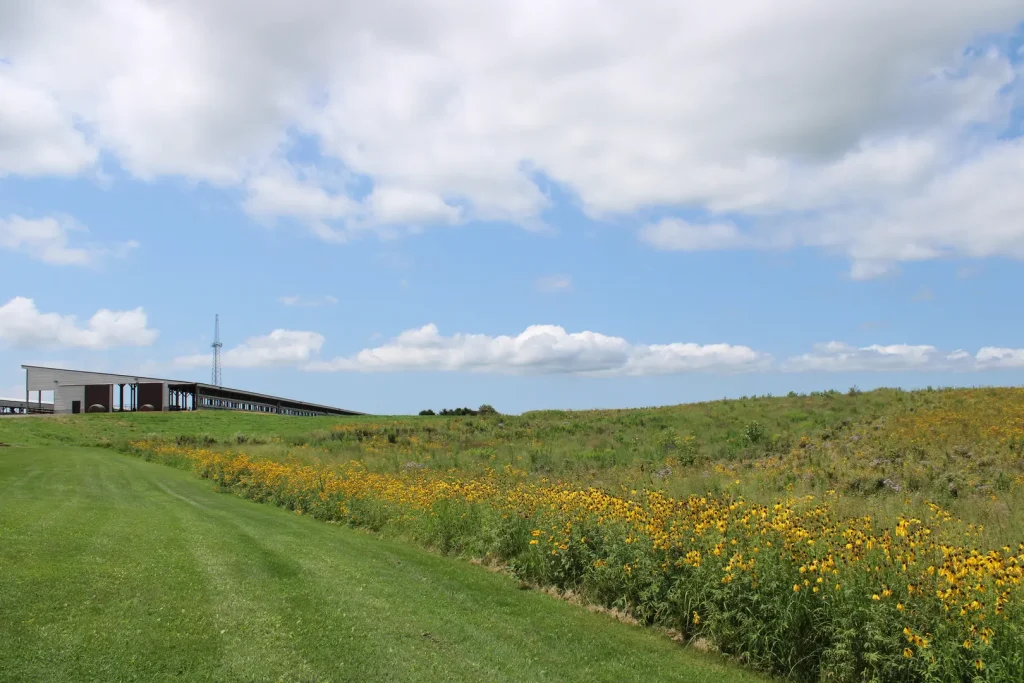
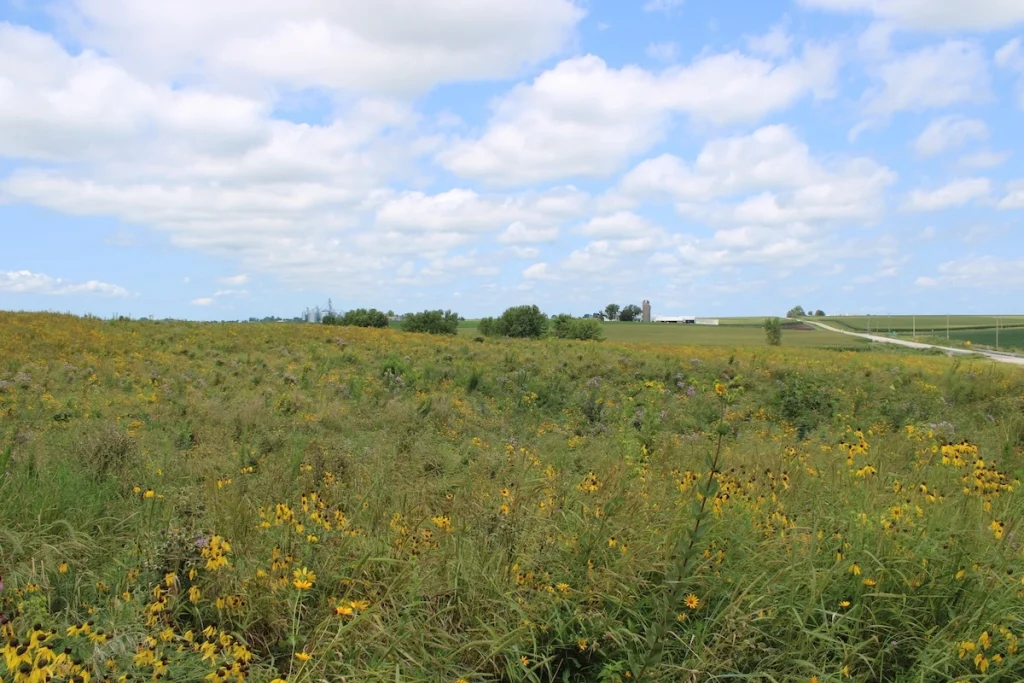
Prairie is the general term for the deep-rooted native grasses and flowers that once occupied around 85% of Iowa’s land. Many state parks and agricultural centers are restoring and reconstructing prairie habitats to help support the diverse wildlife that depends on these plants for survival.
Prairie strips are the practice of integrating prairie into fields to prevent erosion and improve water quality.
Benefits by the Numbers
44%
reduction in water runoff
95%
reduction in soil loss
90%
reduction in phosphorus surface runoff
85%
reduction in nitrogen loss
200%
increase in bird and beneficial insect diversity
How It’s Done
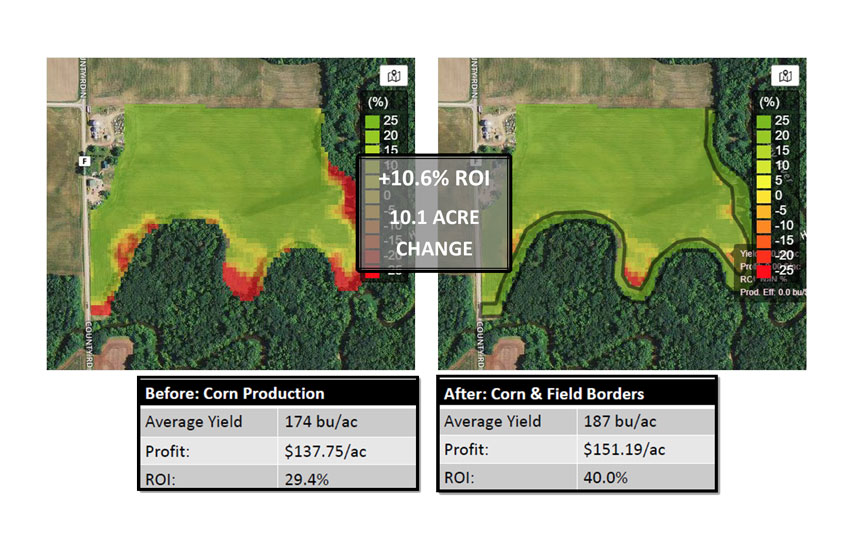
Low-yielding acres are a great opportunity to implement prairie strips and will reduce the input costs you would have spent on those acres.
Plant:
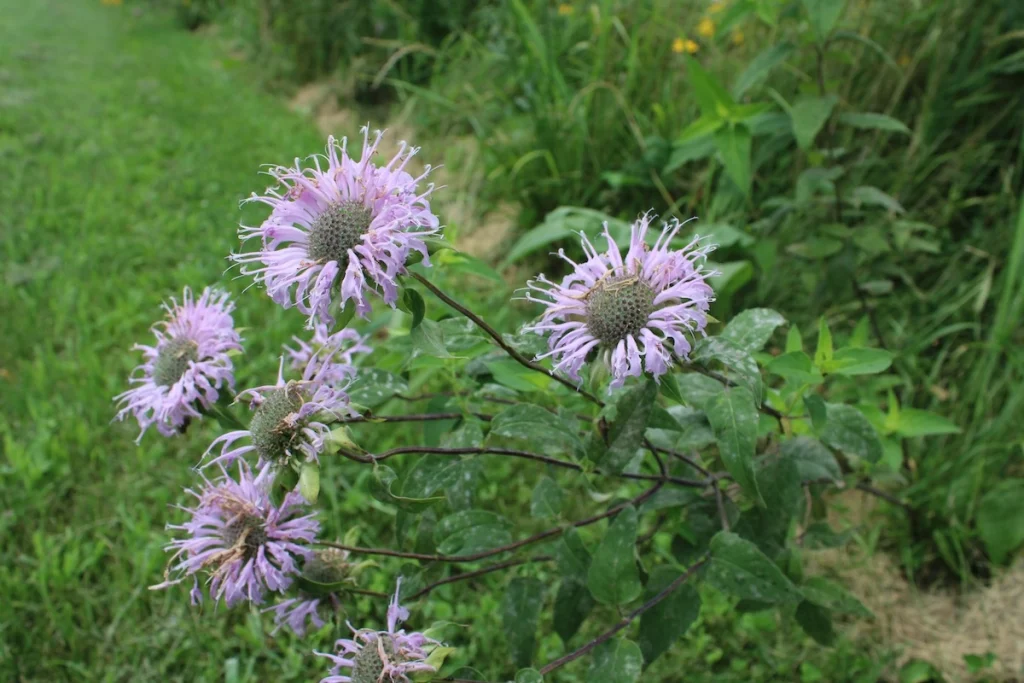
- Recommended: At least 10% of field for max benefits
- 15’ x 30’ strips (must between 30’ and 120’ in width)
Place:
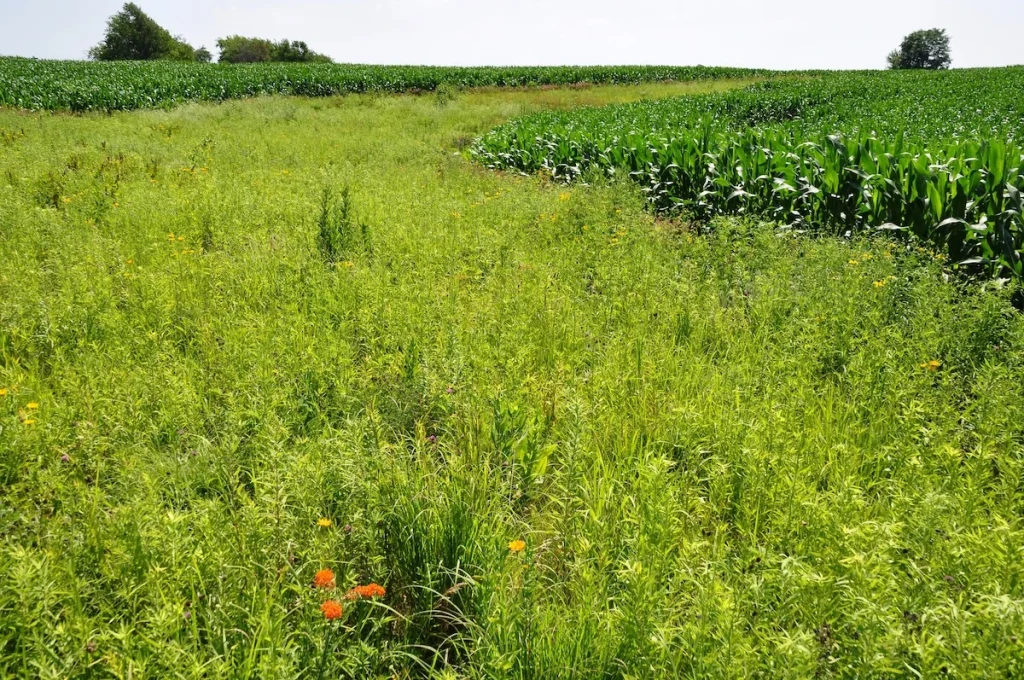
- Around or through field
- Along waterways
- In a terrace channel
- Next to pivot corners
Annual Management:
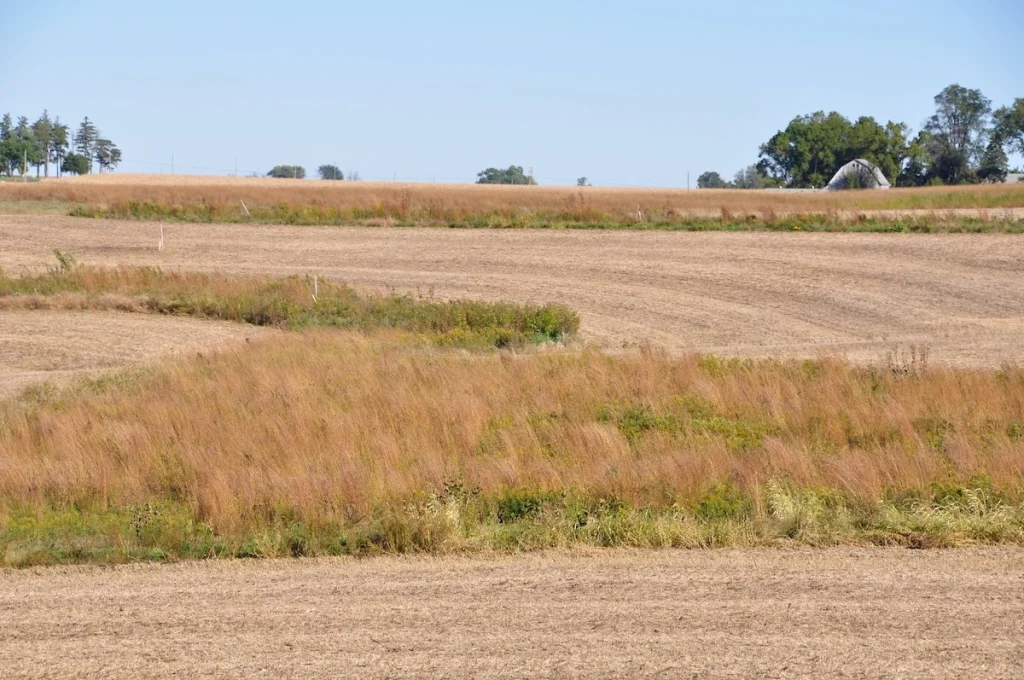
- Mowing/raking/windrowing/bailing or burning
Save:
- Money you would have spent on fertilizer and seed in a low-yielding acre
- Your land – keep soil healthy for the next generation
Prairie Facts
Prairie once occupied 85% of Iowa’s land. Just 0.1% of it is left.
A few animals that call the prairie home:
- Jackrabbits
- Burrowing owls
- Box turtles
- Meadowlarks
- Bobwhite quail
- Hundreds of species of butterflies and pollinating bees
Prairie plant roots can extend into the ground up to 12 feet. That’s about as tall as:
- An African elephant
- 2 refrigerators stacked on top of each other
- A garage door
- A Volkswagen Beetle
Partner Spotlight: Practical Farmers of Iowa
Using technology to add habitat, drive ROI
Did you know you can get a free precision analysis of your farm to help you minimize input costs where yields aren’t worth it? Practical Farmers of Iowa and Pheasants Forever partner on a program to provide this service. A precision ag specialist will give you a consultation to analyze field data, then provide ideas on how to transform some areas into habitat. Finally, they’ll help you sign up for cost share programs that will pay you more than the low yields are in those sub-par spots.

Cost-Share Options
Iowa State University’s STRIPS program estimates that it could cost around $240/acre to establish prairie strips. After establishment, costs to maintain the strips average $72/year (as of 2020).
There are cost share opportunities that can cover or even exceed these costs:
- USDA Farm Service Agency has cost-share and incentive programs through the Conservation Reserve Program (CRP) CP-43 Prairie Strips practice.
- Practical Farmers of Iowa offers one-time incentive payments for establishing prairie strips.
- Resource Enhancement and Protection offers grants for soil and water conservation.
- Pheasants Forever funds habitat projects including native prairie seedings.
- Trees Forever offers funding for pollinator projects.
More Resources
Here are more helpful resources on prairie strips:

Tall Grass Prairie Center provides helpful resources, along with a list of seed and service providers
ISU Extension has a list of habitat contacts to get started with your prairie project.

Environmental Quality Incentives Program assists with harvesting or grazing prairies in some counties

US Fish and Wildlife Partners Program helps landowners restore wildlife habitats