
Bridging the Gap: How Soil Testing Impacts Water Quality
Water quality in Iowa is a pressing concern every spring, as heavy rains wash nutrients from fields into waterways. Using proactive strategies to reduce nitrate runoff and manage input costs is now essential, benefiting both water quality and farm finances.
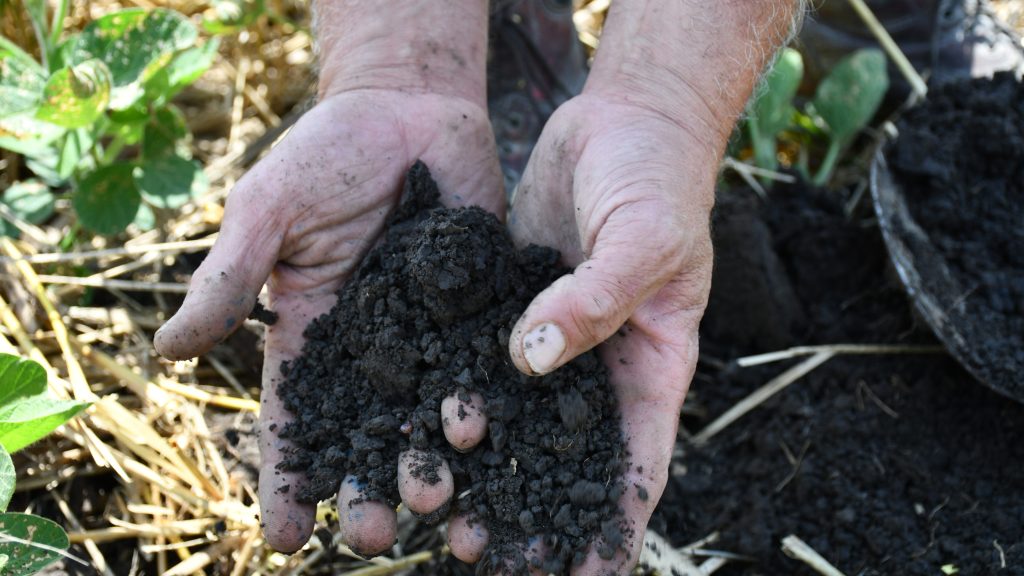
What do “proactive measures” truly mean? Currently, one of the best approaches is soil testing. By testing soil on Iowa farms, farmers can make more informed decisions about what their crops need. As Iowa Soybean Association Conservation Agronomist Alex Slagle explains, proper testing reveals the amount and balance of nutrients present and how to best treat each field.
“You can’t manage what you don’t measure,” notes Slagle.
The most obvious outcome of soil testing is understanding current nutrient levels in the field. Tests show where nutrients are high or low, both as numbers and on a scale. This allows farmers to make informed decisions on input application for each section. Slagle encourages this kind of insight, emphasizing that it prevents over-application and keeps input costs down.
“Getting more specific with fertilizer rates helps farmers save money, and downstream, it helps water quality. It’s a win-win,” Slagle said. “We’re shooting for biggest ROI, not necessarily the lowest rate.”
The interaction between different nutrient ratios can also help us draw inferences about what’s going on below ground. Managing nutrient ratios along with soil pH can have a direct impact on plant availability and uptake, water drainage, root penetration, and nutrient runoff. With nutrients such as Nitrogen, Phosphorus, Calcium, Carbon, and Magnesium all playing meaningful roles in crop growth, this is no easy task. Soil testing allows farmers to see through the confusion and implement the best practices to take care of their soil and their crops.
“Farming is more scientific than people think,” said Jeff Lucas, Executive Director of IAWA. “That’s why we need conservation agronomists like Slagle to support farmers in decision making.”
IAWA offers a direct connection to conservation agronomists through this link.
What do those practices look like? Once a farmer gets soil sample results, what are they to do? Realistically, it looks completely different on each and every farm (sorry, no silver bullets here). Fortunately, for every unique farm, there is a unique solution. From nutrient management practices to cover crops, edge of field structures to prairie strips, there is something for every farm. At IAWA, we know the importance of real support to take these practices from concept to completion. That’s why tools like the Conservation Compass exist.
The Conservation Compass is a one-stop platform for farmers and conservation professionals to find tools, resources, and cost-share incentives to implement proven water quality practices on their farm. It meets users at every stage of their conservation journey, and guides them through information, accessibility, and the ability to compare incentives side by side.
With water quality a top concern, soil testing gives farmers clear, practical solutions and empowers them to make informed choices and serves as a foundation for conservation. Paired with the right practices and support, soil testing leads to wide-ranging benefits both on the farm and downstream.
For more information, contact Tom Collins at tcollins@iaagwater.org.