
Stacking Cost Share Programs
Get $100+/acre by combining programs for max impact.
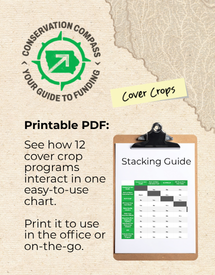
Download our cover crop stacking guide. We built this to help conservation professionals be able to help farmers with questions. Please contact us if any program combinations need to be updated.
What is “stacking” and why do it?
Our perspective at IAWA
There are dozens of great programs you can sign up for to receive financial benefits for conservation practices like cover crops. Often you can combine two or even three programs in order to increase your payment.
But, first thing’s first. The point of these programs is to encourage conservation – not to simply make a profit, though that can be a nice perk!

Get your tenant or landowner on board
One of the greatest influencers is money. If you need a little extra help to convince your business partner to get on board, splitting large cost share payments can help.

Mitigate risk of yield loss if you’re nervous
In the long term, conservation like cover crops should pay for itself in the form of soil health benefits, weed suppression, etc. But trying something new can takes trial and error. Use cost share to make the risk less risky.
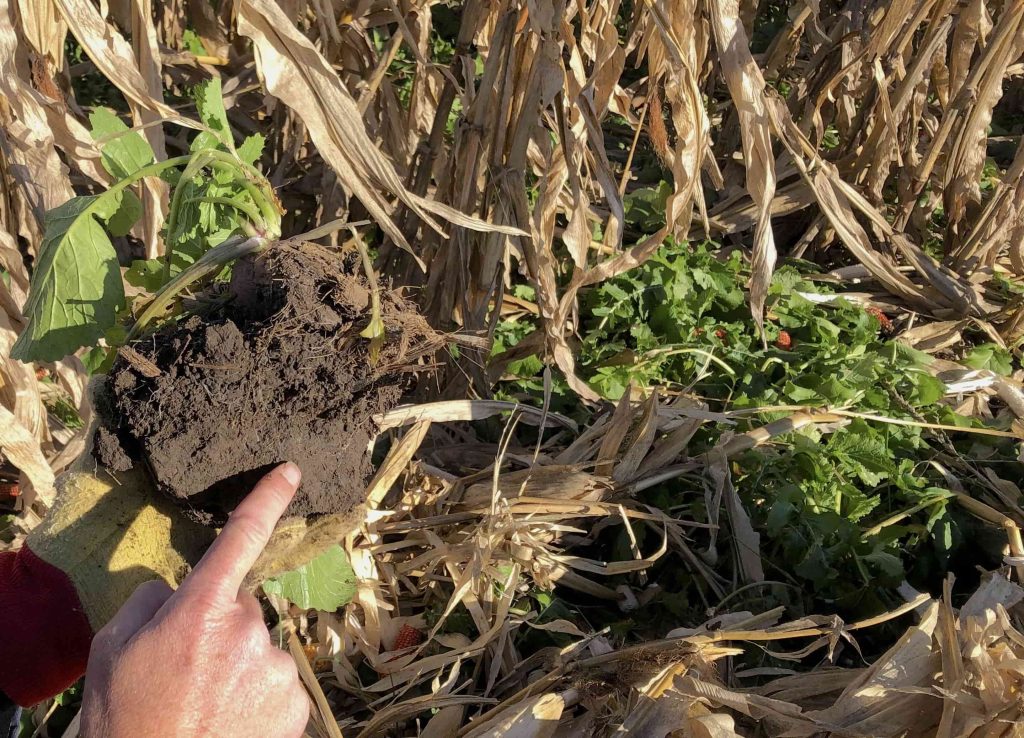

Be able to fully pay for the cost
Most cost share programs offer $25 or less for cover crops. But we know it can cost more than that. Combining two programs means you don’t have to add a new expense right away.


Make sure you can use cover crops in a tough year
Sometimes the farm economy might feel like a roller coaster. In tough years, we don’t want you to pull back on cover crops to reduce expenses. Cost share can get you through.
Lesson 1: Types of cost share
You have to know your funding source
The first step to combining programs is knowing what types of cost share there are.

Federal
Federal funding comes from USDA, EPA, DNR, or other departments. It is often administered through an NRCS office. If you want to really get specific, federal funding comes from the Farm Bill, AMP, or other pots of money.
State
State funding comes from Iowa Department of Ag and Land Stewardship, Iowa DNR, or other state departments. It is often administred through a local SWCD office.

Private (non-carbon)
Private-only funding is rare, but does exist. This is an investment by a business or an organization into a program.
Private (carbon)
It’s important to differentiate carbon funding from others. That’s because you can’t “double sell” carbon credits. This funding comes from large businesses wanting to lower their carbon footprint.
Lesson 2: How funding interacts
In summary, never dip from the same “pot”.
Your best bet is to talk to a conservation agronomist, your local USDA office, local SWCD office, or other experts who can help. As a reminder, the point of combining programs is to encourage conservation – not to simply make a profit, though that can be a nice perk!
What works and what doesn’t
funding that will stack
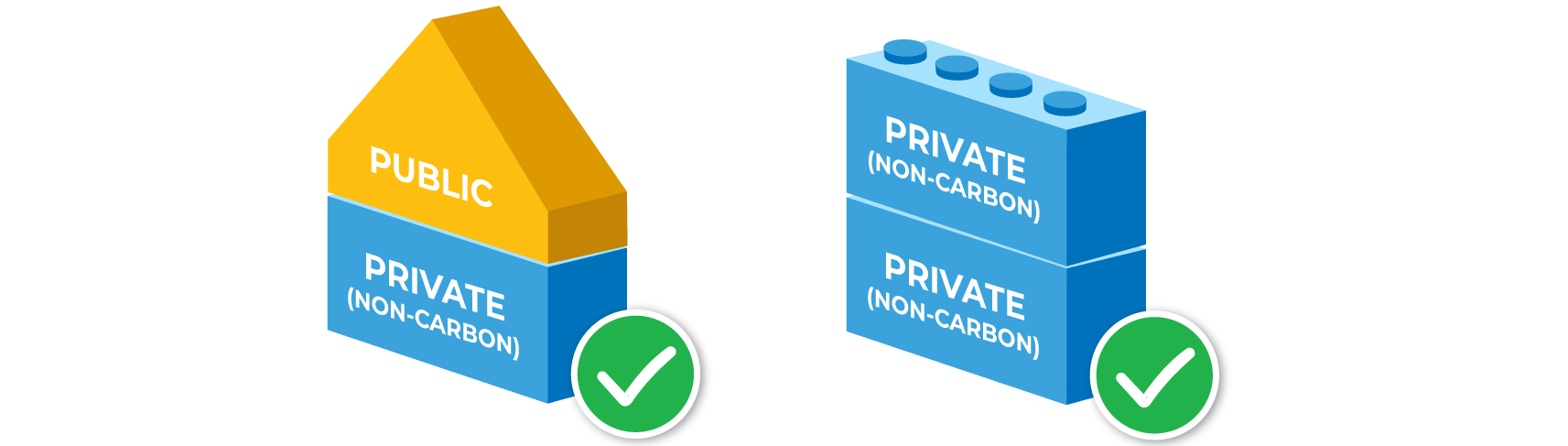
public funding + private funding
You can always combine state or federal funding with private funding. That does not matter if the private funding is from carbon markets or other.
private + private (non-carbon)
Private programs can be combined, but only if they are not carbon market programs. This is because you cannot double-sell a carbon credit. It’s pretty rare to find private programs that are not carbon-related, though.
different acres or different practices
The above rules do not apply if you are looking to get funding for different acres or for a different practice.
funding that WON’T stack
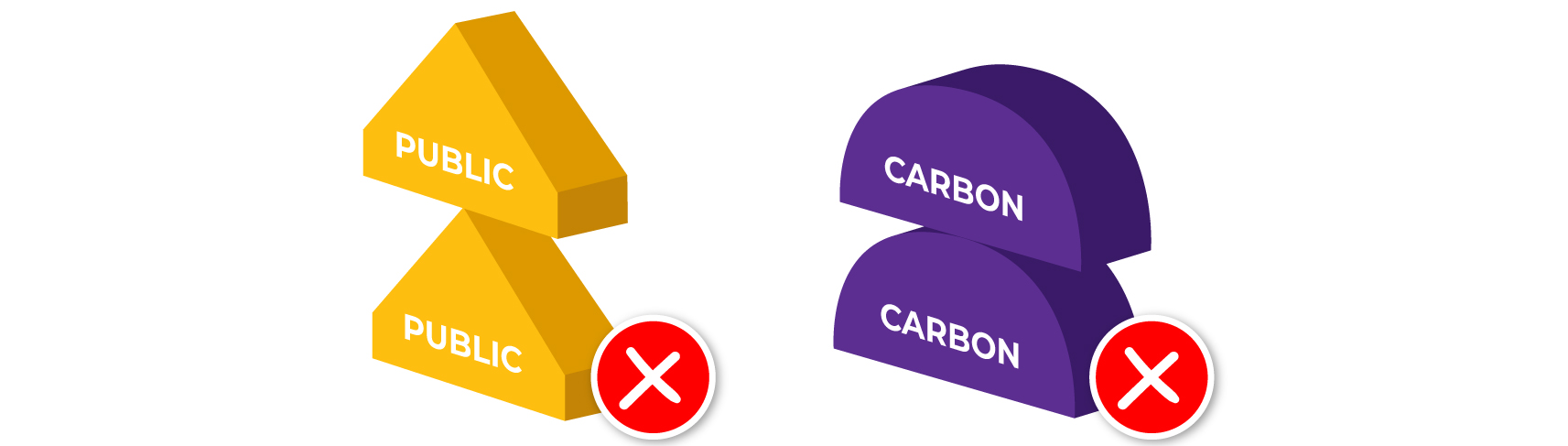
PUBLIC FUNDs + PUBLIC FUNDs
You cannot combine two public funding sources because it is considered “double dipping.” There are exceptions where state and federal funding can be combined, though.
carbon funds + carbon funds
You cannot combine carbon market funding. The carbon market is a way for companies to purchase carbon credits from farmers to reduce their carbon footprint. Once a carbon credit has been sold, that impact is claimed and it can’t be sold again.
Download our cover crop stacking guide. We built this to help conservation professionals be able to help farmers with questions. Please contact us if any program combinations need to be updated.
Lesson 3: Ask for help
These professionals will take care of you
The last thing you want to do is receive benefits incorrectly and have to pay them back. We recommend these water quality professionals to help you!
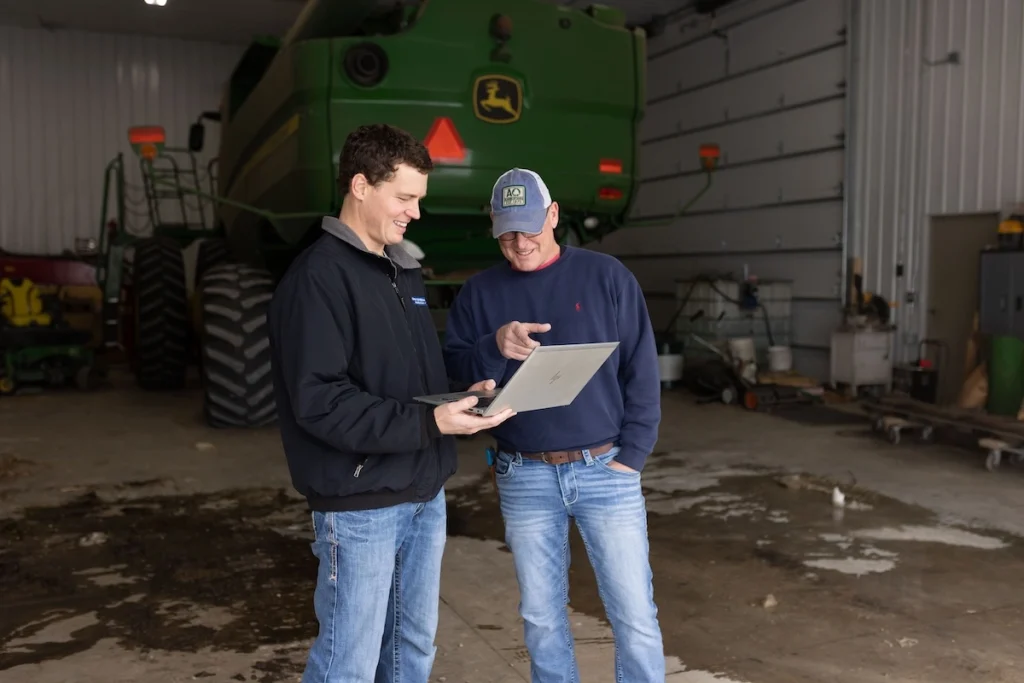
Conservation Agronomists
Conservation Agronomists are trained to help you with both sustainability and profitability. That includes cost share.
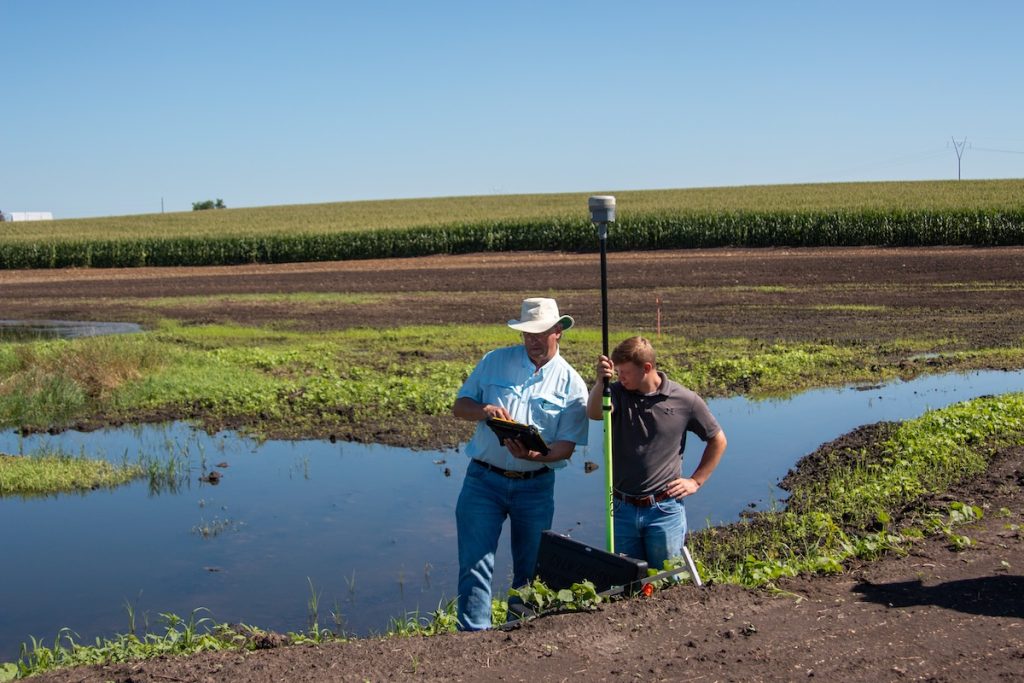
USDA Service Center
NRCS employees are the go-to source for federal funding. They can help you pick the right program and provide technical assistance.
SWCD professionals
Local SWCDs are often in the same office as the USDA service center, but their expertise is state funding.
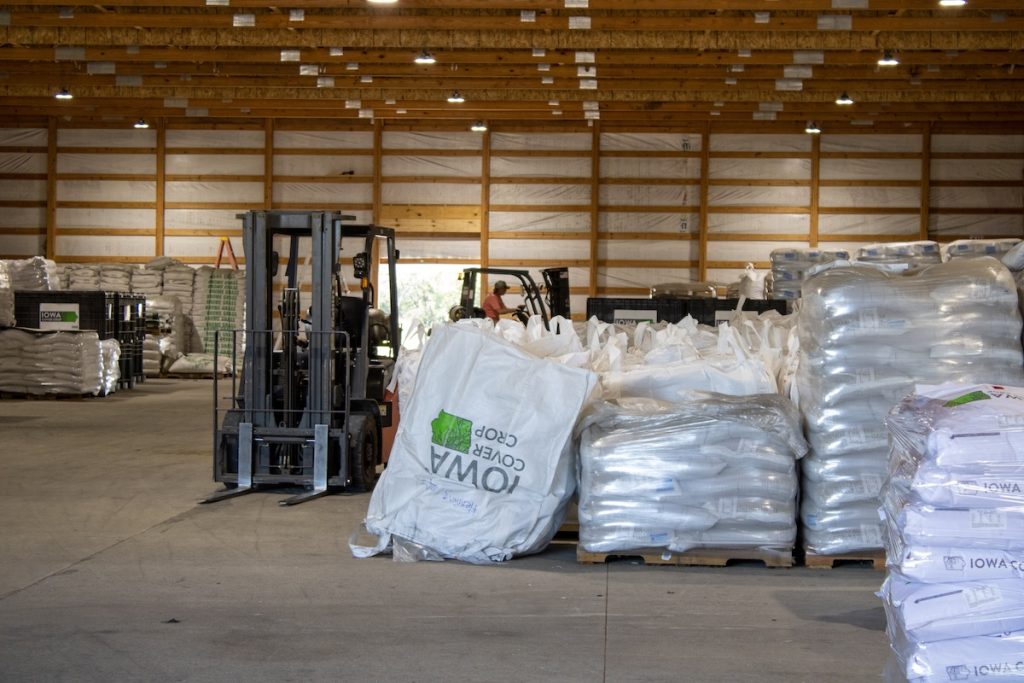
Cover crop dealers
Cover crop dealers can help you find cost share for cover crops. Sometimes they’ll even help you sign up. PFI has a directy linked below.
Back to The Compass Home
Find anything you need related to cost share from our landing page.