
Create Habitat
Creating wildlife habitat is one of the most rewarding ways to add biodiversity to your farm. Habitat not only provides food and shelter for birds, pollinators, and other wildlife, but it also helps improve water quality and strengthen soil health. For many Iowa farmers, these practices also open the door to new hunting opportunities and bring more life back to the land.
Across the state, more and more Iowans are integrating habitat into their farms in ways that make sense for them. These practices can be tailored to the land, whether restoring an oxbow to attract waterfowl, planting prairie strips to support pollinators, or establishing wetlands that filter water while creating hunting spots and wildlife refuge. No two farms are alike, and that’s why local experts and conservation agronomists are ready to help farmers find the right mix of habitat practices that deliver both economic and environmental benefits.
By creating habitat with conservation in mind, you can leave a legacy that supports both your farm and Iowa’s natural resources for future generations.
Some of the best practices to create habitat on your farm include:

Oxbows
A type of wetlands shaped like a “U.” This shallow pool often gets disconnected from a stream due to erosion. Restoration of oxbows cleans water and improves wildlife habitat.

Prairie Strips
Small areas of native prairie species strategically placed in row crop fields.
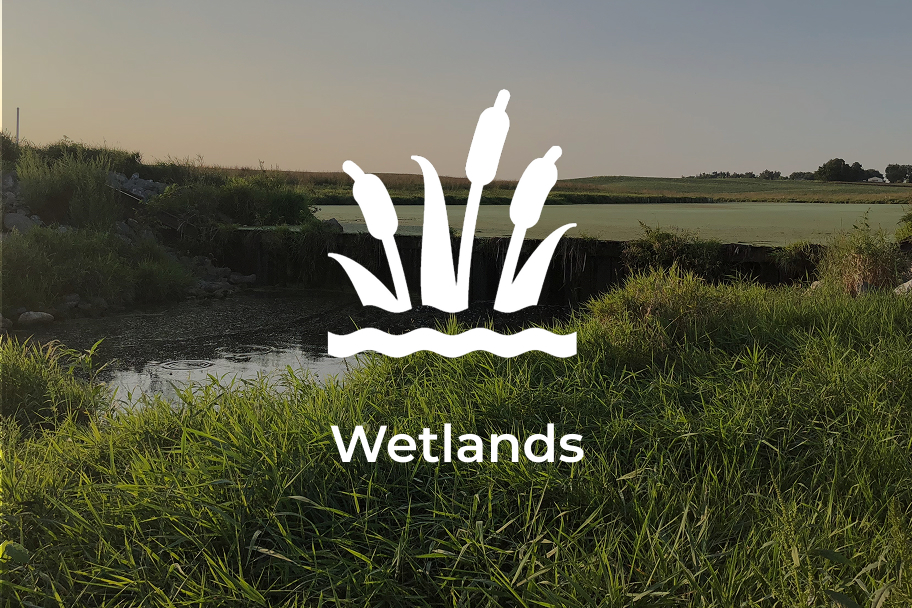
Wetlands
Shallow vegetated pools that helps filter nutrients, especially nitrate. Usually restored in a low-yield area of a field that frequently floods
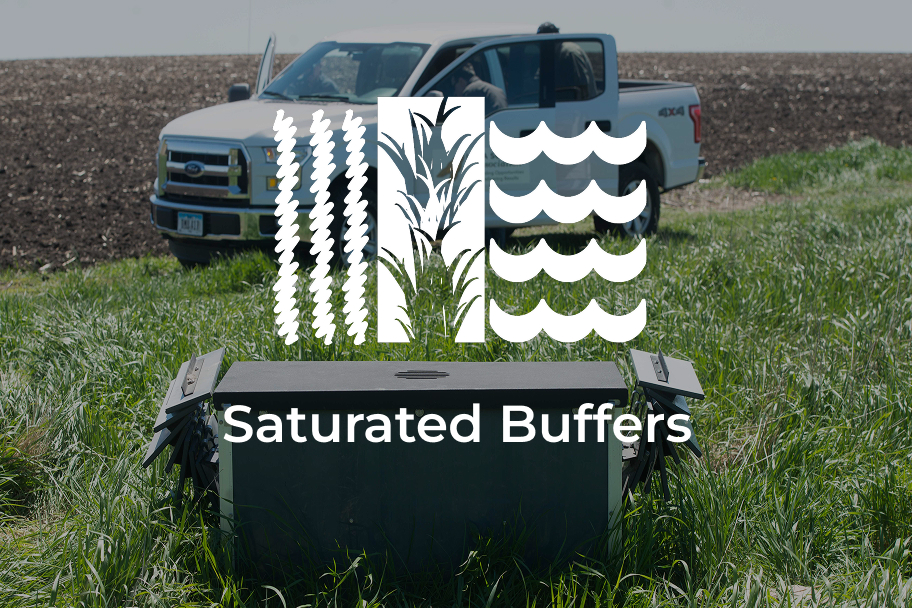
Saturated Buffers
Drainage water is diverted into an edge-of-field buffer by a control structure and distribution line. The line releases the water into the buffer soil where microbes break down the nitrate or it is taken up by the plants.