
West O Beer’s Blue Taps Gives Back to Iowa’s Waterways
Small grains and clean water make great beer
Small grains and water—they’re the key ingredients to one of Iowa’s (and the world’s) favorite adult beverages: beer. The brewers at Milford-based West O Beer have found that using clear, clean water from nearby West Lake Okoboji makes for great-tasting beer.
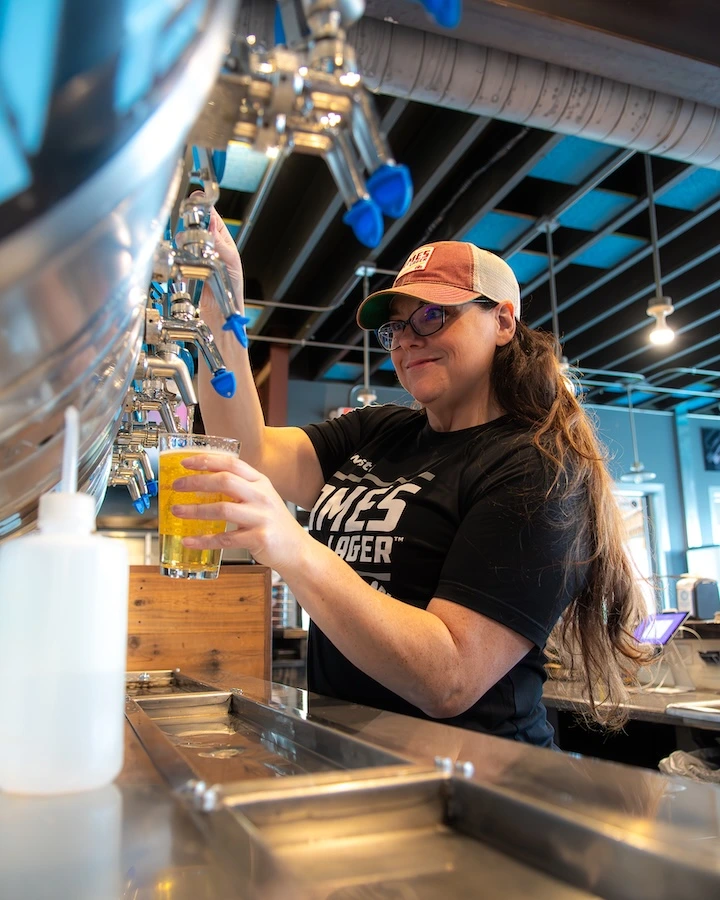
Blue Taps = Blue Water
What it is: Buy a beer, support water quality! Since we love clean water (and beer), it was a no-brainer for IAWA to partner with West O on their Blue Taps initiative.
How it works:
- Sit back, enjoy your beer knowing that a portion of the proceeds will go to protecting regional Iowa waterways.
- Next time you visit your favorite bar, look out for one of West O’s blue beer taps – they’re pretty easy to spot.
- Order a beer from said Blue Tap.
Did You Know?
Water source determines the flavor of the wort (pronounced wert), which is the liquid extracted after heating malted grains and water.
Water makes up 90-95% of beer – that’s why it’s so important to have clean, great-tasting water as the main brewing ingredient! Farmers can play a role in making water cleaner AND producing small grains for beer.
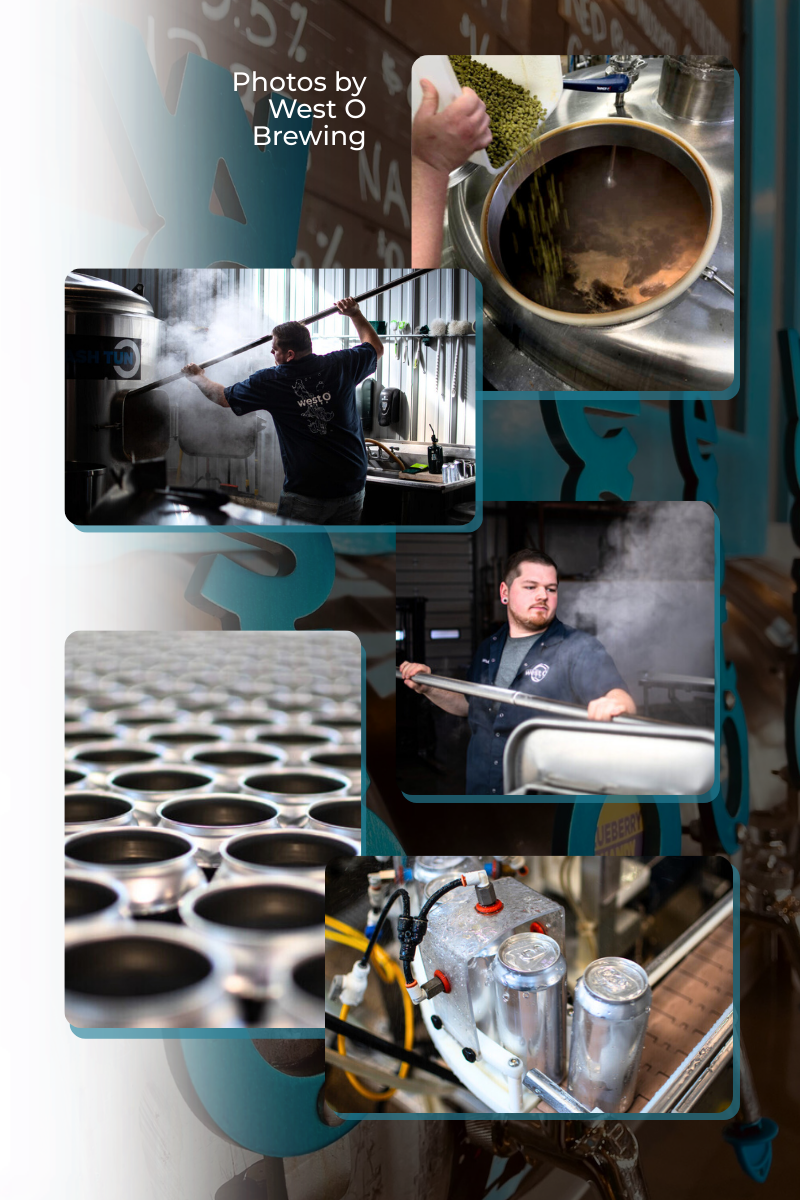
How Clean Water & Small Grains Are Turned Into Beer
Brewing process:
1. Mashing
Milled malt from raw grains (such as barley, rye, wheat, and others) are combined with water and heated. That brings out enzymes that convert grain starches into sugars – those sugars are then fermented into alcohol.
2. Lautering
The liquid that results from mashing – called “wort” – is separated from the grain. The leftover grain can be recycled as livestock feed.
3. Boiling
The wort is boiled to sterilize it – at this stage, hops are added according to the brewer’s intended flavor profile.
4. Fermentation
The boiled wort is moved to a fermentation tank, where yeast is added. The yeast eats the sugars in the wort, converting it into alcohol and carbon dioxide.
5. Conditioning & Carbonation
The beer is allowed to mature and the by-products of fermentation diminish. Carbonation is added.
6. Celebrating
Drink up! You just turned clean water, small grains, hops, and yeast into a tasty beer!
How Small Grains Can Improve Water Quality
Brewing isn’t the only place small grains and water come together to create something beautiful; For another example, look no further than a local cover cropped farm field.
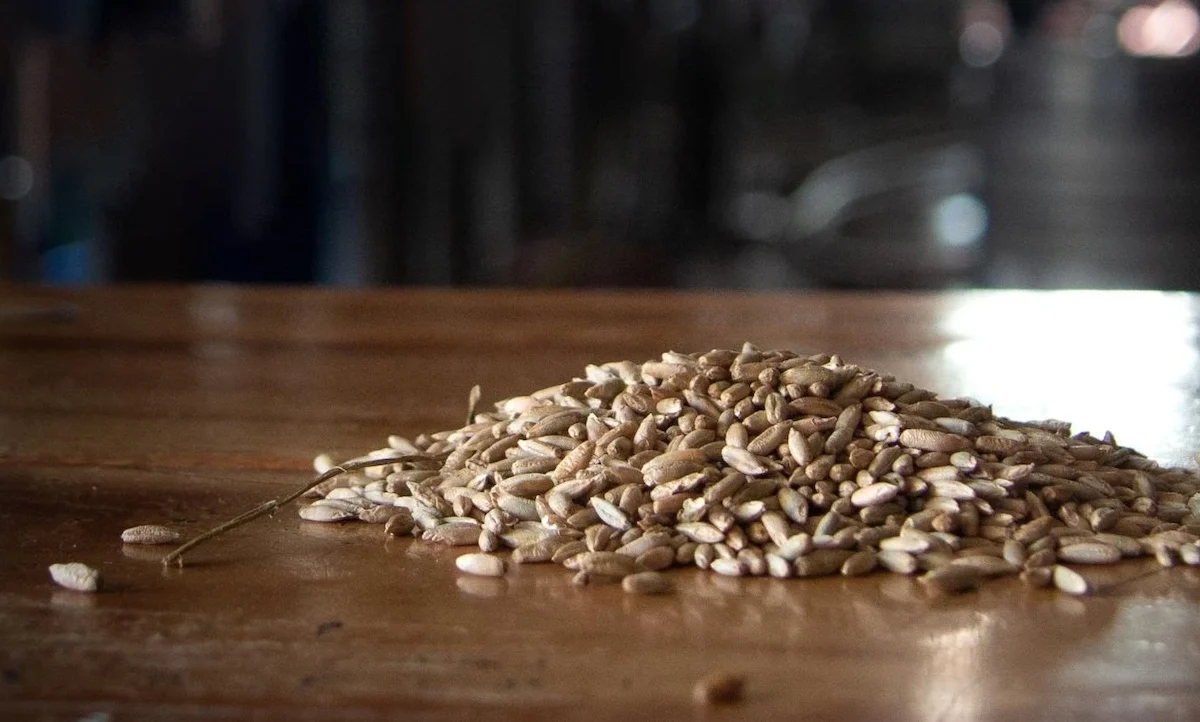

Iowa farmers can plant and harvest small grains (yep, the same ones in beer) in their summer growing rotation – for example, corn in year one, soybeans in year two, and oats in year three. This method improves soil health, which plays a role in water quality, too.
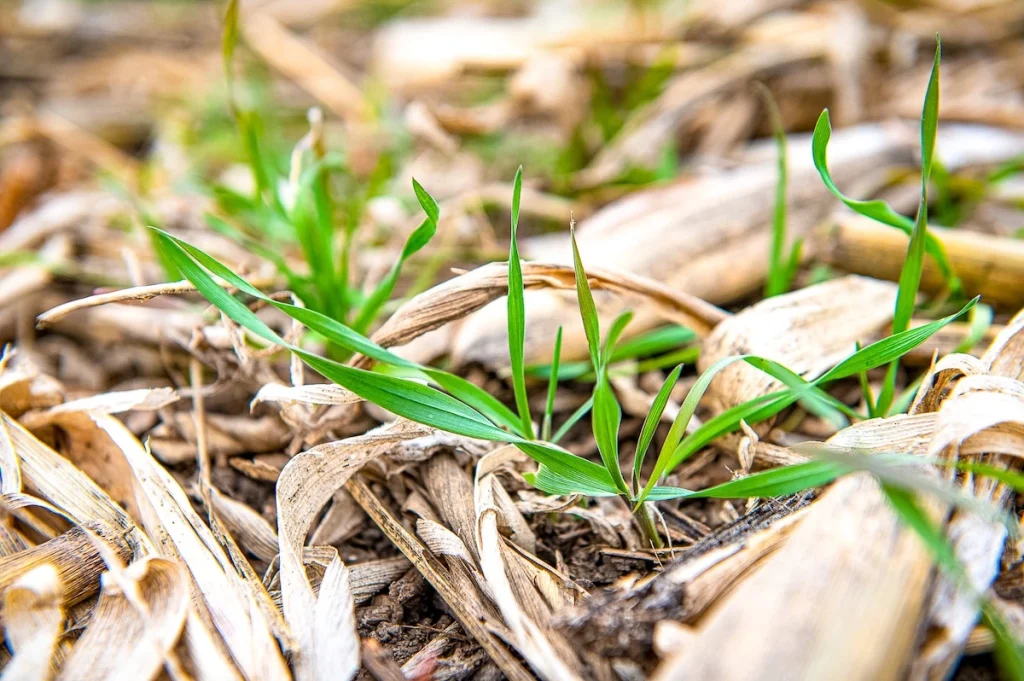
Farmers also plant small grains as cover crops, meaning they terminate the plant instead of harvesting it. Why do that? Winter-hardy cover crops provide ground cover and hold soil and roots in place between corn and soybean growing seasons. That means soil and nutrients stay in the field and out of water.

Keep Okoboji Blue
The clean, blue waters of West Lake Okoboji are critical to West O’s great-tasting brews. That’s why they’re partnered with Keep Okoboji Blue – a local nonprofit focused on improving water quality in the Iowa Great Lakes. IAWA is proud to support this and other clean water partnerships through the Blue Taps initiative!