

Conservation Library
Unique Farm Conditions Require Unique Solutions
We believe in farmer-led conservation in Iowa because every farm has unique challenges. Different crops, livestock, soil types, landscapes, and slight climate variations all require different approaches. Focusing on soil alone, there are 450 soil types throughout the state! The bluffs of northeast Iowa look very different from the gentle rolling landscape of southwestern Iowa. Below are some of many conservation practices and strategies that reduce nutrient runoff to Iowa waterways and improve our water quality. Check our water quality and soil health glossary page for explanations of common terms, programs, and acronyms.
Cover Crops
Grasses, legumes, and forbs planted for seasonal vegetative cover to reduce erosion and improve soil health.
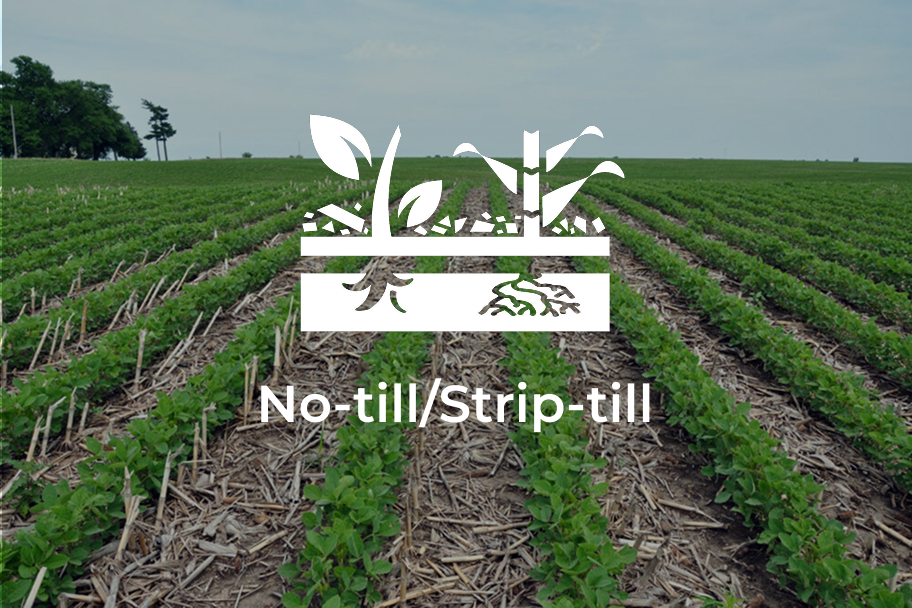
No-till/Strip-till
Limiting soil disturbance to improve soil health and reduce erosion and excessive sediment in surface water.
Prairie Strips
Small areas of native prairie species strategically placed in row crop fields.
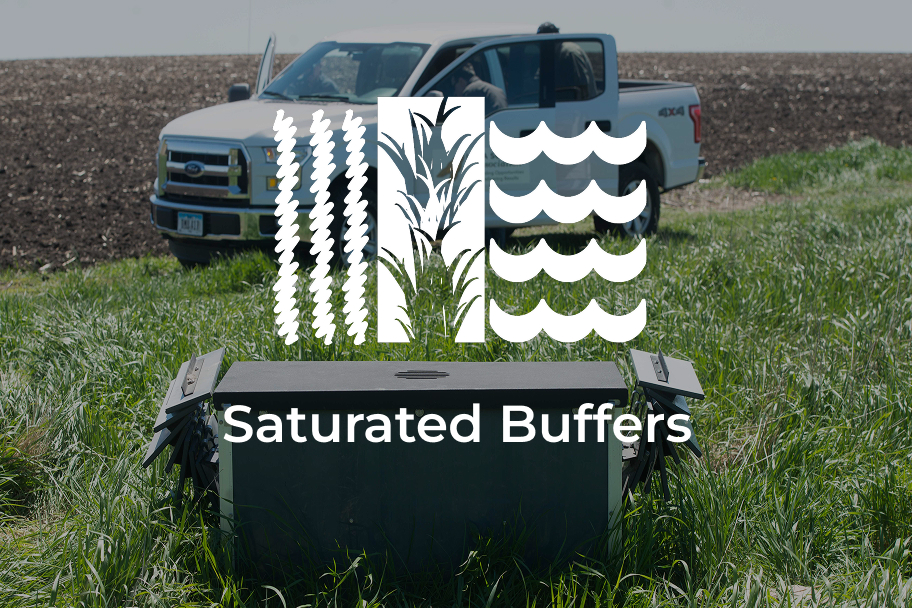
Saturated Buffers
Drainage water is diverted into an edge-of-field buffer by a control structure and distribution line. The line releases the water into the buffer soil where microbes break down the nitrate or it is taken up by the plants.
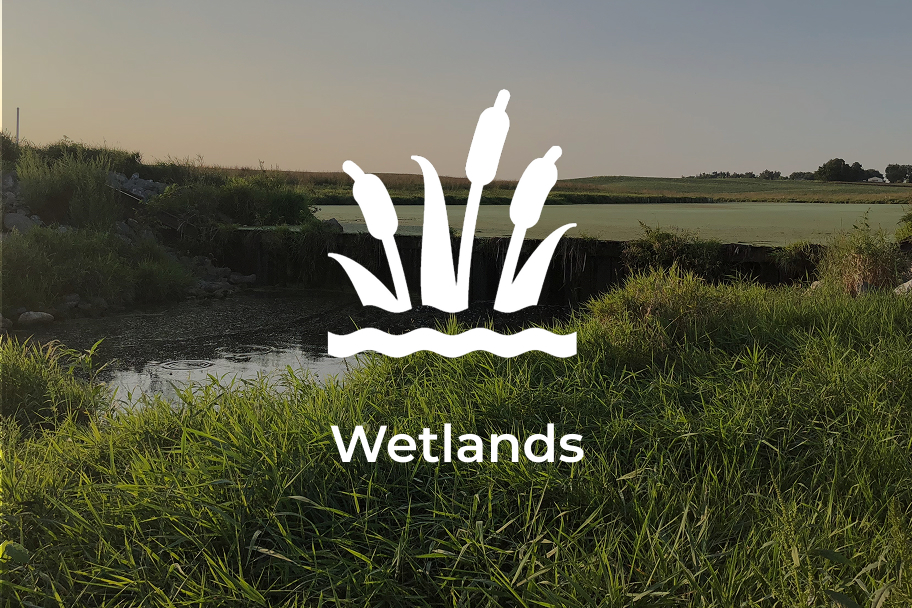
Wetlands
Shallow vegetated pools that helps filter nutrients, especially nitrate. Usually restored in a low-yield area of a field that frequently floods
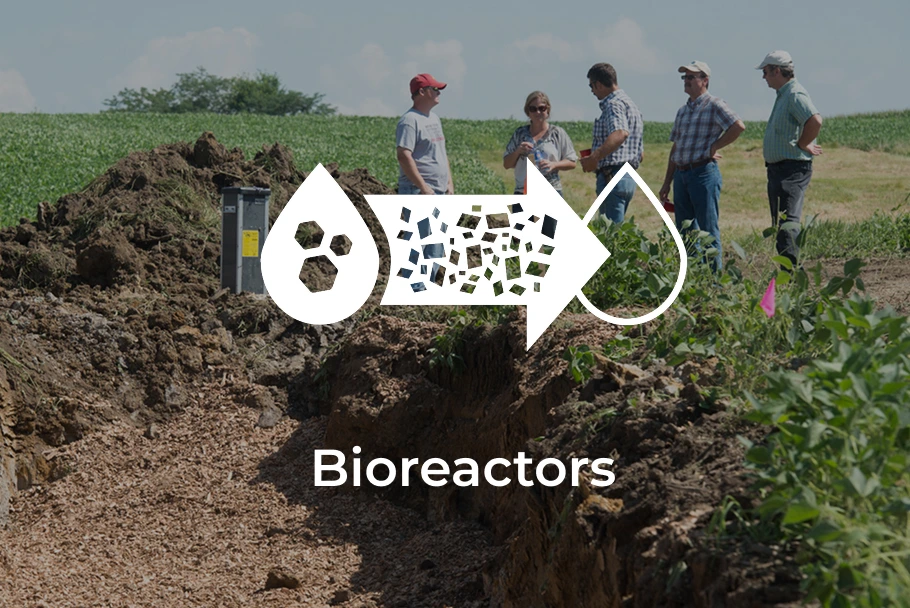
Bioreactors
Drainage water is diverted into a buried trench of woodchips where microbes break down nitrates in the water before releasing it. Like a Brita filter for a field – except it’s a biochemical process.
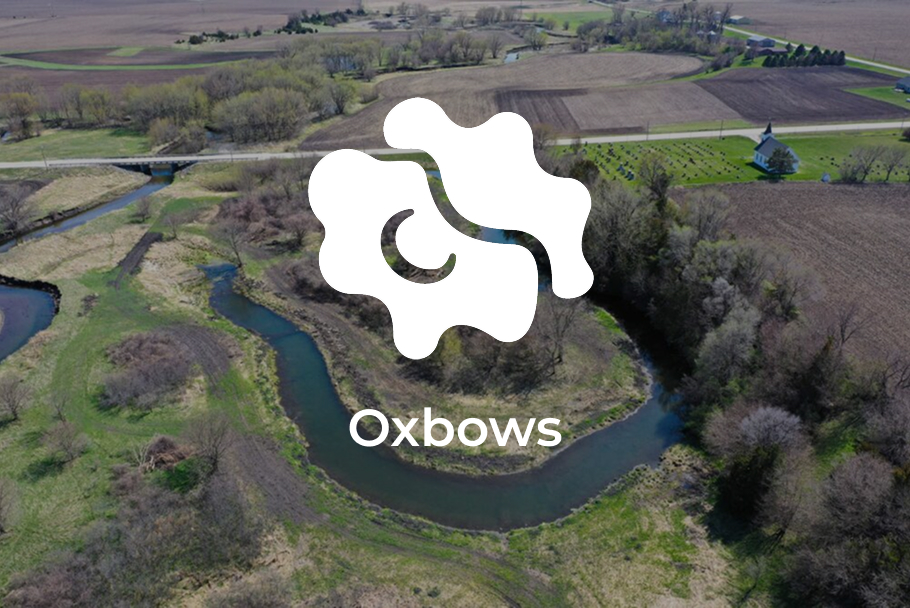
Oxbows
A type of wetlands shaped like a “U.” This shallow pool often gets disconnected from a stream due to erosion. Restoration of oxbows cleans water and improves wildlife habitat.
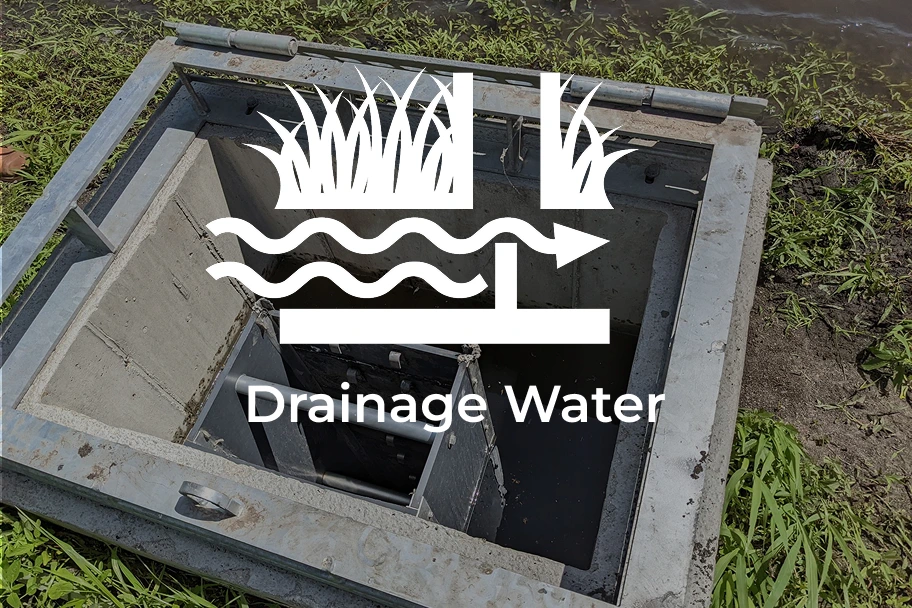
Drainage Water Management (Controlled Drainage)
Use of a water control structure to manage drainage of water from fields throughout the year. This practice can increase crop yields in some years.
Extended Crop Rotation
A planting cycle of different crops such as grasses, legumes, or small grains along with corn and soybeans to improve soil health and decrease insect and disease pressure.
Nutrient Stewardship (4R+)
Right Rate, Right Time, Right Placement, and Right Source of nutrients to maximize fertilizer use efficiency and ROI.

Grassed Waterway
Grassy or native vegetation adjacent to streams that traps sediment from surface runoff.
Watershed Planning
Watershed plans improve water quality and reduce flood risk by targeting conservation practices to fit local watersheds. They provide flexibility to meet the goals of local communities.
Stream Buffers
Grassy or native vegetation next to streams that traps sediment from surface runoff, stabilizes stream banks, and provides habitat for wildlife.

Terraces
An embankment, ridge, or ridge-and-channel built across a slope to slow water runoff, therefore reducing soil erosion and phosphorus loss.
Water and Sediment Control Basins
Constructed at the end of a slope, an embankment collects water where gullies normally form during major rain events. This slows the water flow, allowing sediment to settle before draining through an outlet.
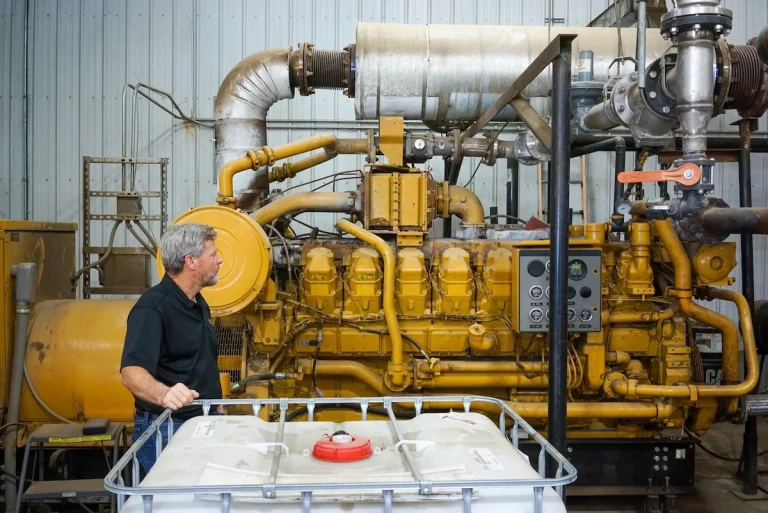
Anaerobic Digesters
Anaerobic digesters take manure, grasses, and sometimes other ingredients (called feedstock) and turn them into renewable gas. It happens through a process called anaerobic digestion.
Grazing Cover Crops
To take your cover crops and soil health to the next level, you can graze cattle on them. In this case, cover crops are planted with the intention of feeding cattle fresh nutrients and fertilizing soil rather than being harvested.