

Uncategorized
-
Prairie fuel – A new market for prairie hay
Posted onBy Dan Looker ANKENY, Iowa (IAWA) – Iowa farmers who plant prairie strips may soon have a new source of revenue for harvesting them. This spring, St. Louis-based Roeslein Alternative Energy finalized an $80-million USDA contract under the department’s Climate Smart Commodities program, which will allow the company to compensate farmers who harvest prairie hay. That…
-
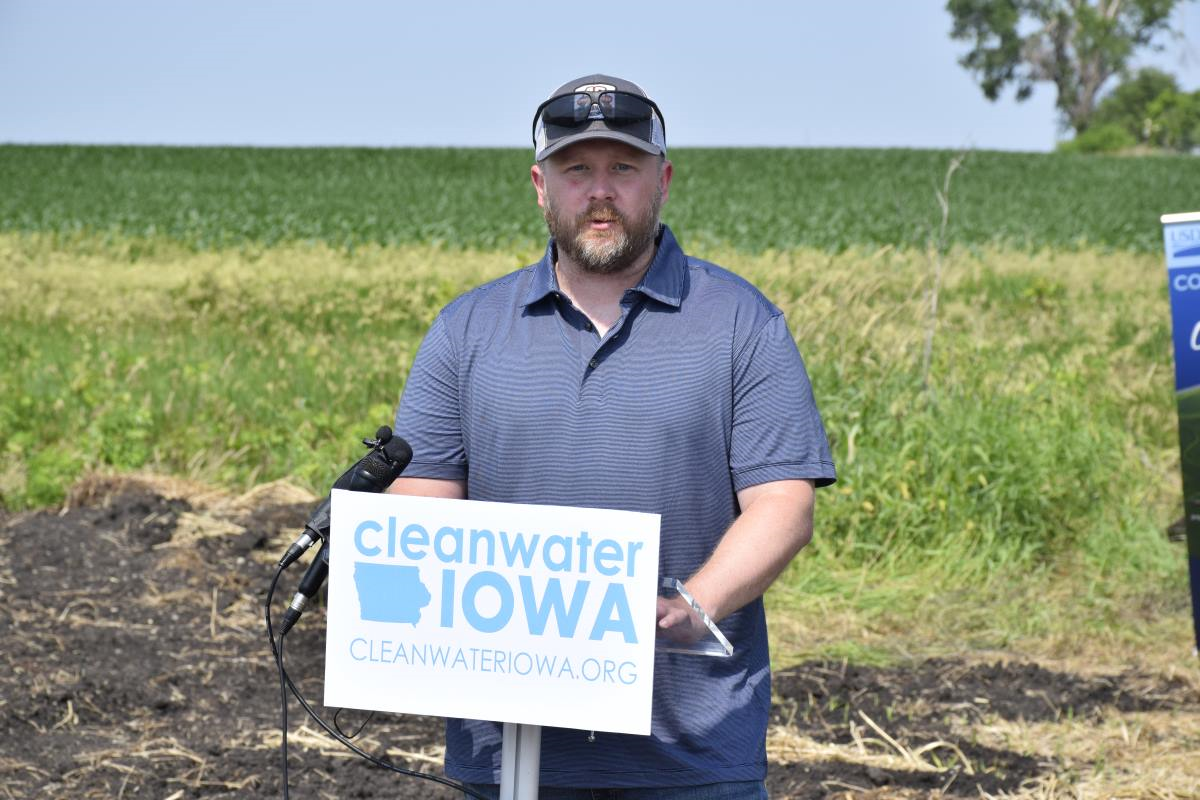
Polk County Accelerates Water Quality Efforts on Central Iowa Farms
Posted onMore landowners sign up for nitrate filtration practices in farm fields thanks to a visionary new public-private partnership approach that is turnkey and systems-based By Kurt Lawton Creating a scalable system that can move the needle faster to reduce nitrate in Polk County watersheds began by rethinking the entire process of marketing and delivery of…
-
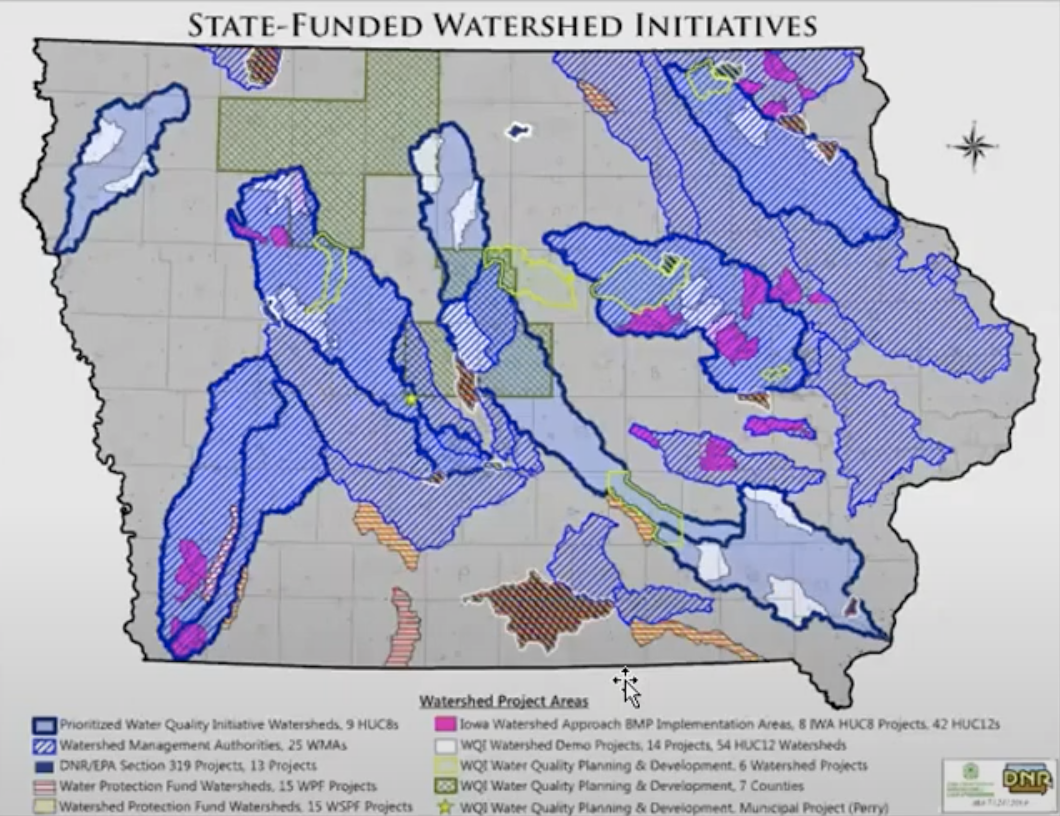
Multiple Stakeholders Share Approaches for Source Water Protection
Posted onThe Iowa Agriculture Water Alliance (IAWA) Advisory Council recently met and tackled the important topic of source water protection. Source water refers to sources of water (such as rivers, streams, lakes, reservoirs, springs, and groundwater) that provide water to public drinking water supplies and private wells. Cities and agencies are increasingly incorporating source water protection…
-

Iowa Farmers Rely on Cover Crops to Improve Prevent Plant Acres
Posted onBy Kurt Lawton The calendar can’t turn fast enough this year for farmers, many who endured both a soggy #Plant 19 and a wet, snowy #Harvest19, as Twitter posts showcased. Late snow runoff and frequent big storms drenched the Midwest during planting season, which idled 11.4 million acres of corn and 4.4 million acres of…
-
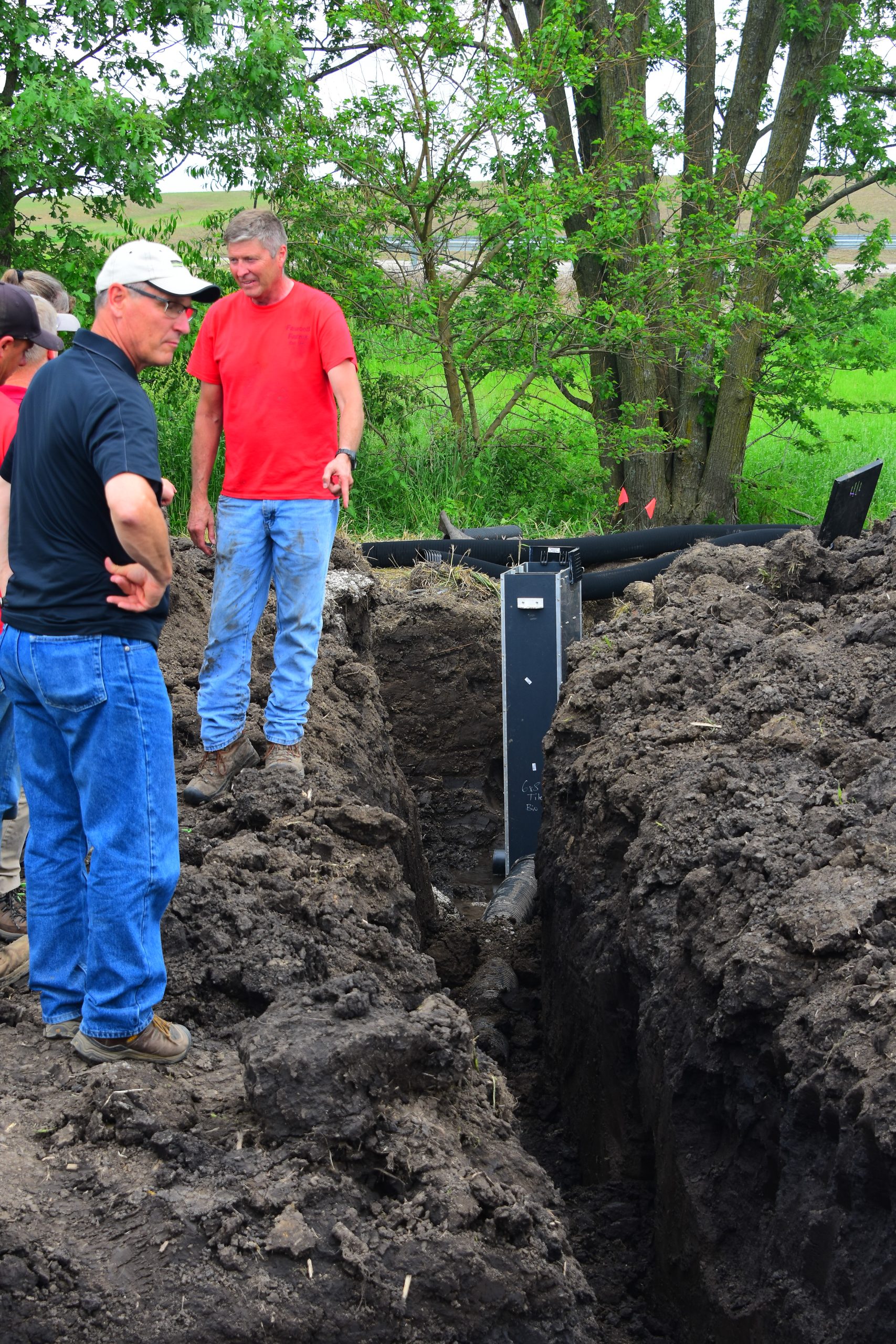
Soil Saving Farmers Invest in Practices to Improve Water Quality
Posted on[siteorigin_widget class=”SiteOrigin_Widget_Slider_Widget”][/siteorigin_widget] Article and photos by Kurt Lawton In the rolling hills of east-central Iowa in Cedar County, family farmers Ken Fawcett and his nephew Kent Stuart have long used conservation practices that keep the soil at home and healthy. However, it was their desire to improve water quality that led them to the recent installation…
-
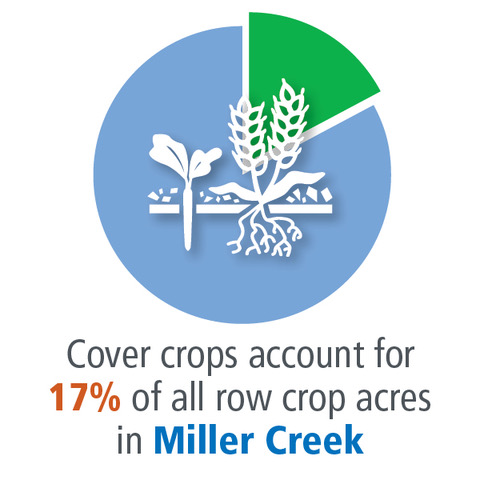
Improving Iowa’s Water Quality: 5 Things You Need to Know
Posted onWater quality is an important issue in Iowa. At the Iowa Agriculture Water Alliance (IAWA), our goal is to increase farmer-led conservation efforts. Together with landowners, partner organizations, and the private sector, we are doing just that. Learn more about five water quality initiatives that are playing a major role in improved water quality across…
-

Unique Approach for Landowner Outreach – Letters from Lee Gravel
Posted onBy: Sarah Feehan, IAWA Communications Intern The workplace of the North Raccoon watershed implementation coordinator, Lee Gravel, is designed to accommodate ergonomics for computer work. As a result, Gravel’s standing desk occupies much of his actual “desk” area and handwriting letters can prove difficult. With his ballpoint pen in hand, Gravel leaves his normal work…
-

Iowa Delegation Aims for Waves of Change for Water Quality
Posted onBy: Sarah Feehan The Iowa Agriculture Water Alliance (IAWA) and the Iowa Soybean Association will soon lead their third Iowa delegation to the upcoming One Water Summit, convened by the U.S. Water Alliance. Last year, the diverse Iowa delegation included Lee Gravel, watershed coordinator for the Headwaters of the North Raccoon Water Quality Improvement Project…
-
Best is Yet to Come in Improving Iowa’s Water Quality
Posted onRecently, the Iowa Nutrient Reduction Strategy (NRS) turned five years old. Sean McMahon, Iowa Agriculture Water Alliance Executive Director, reflects on the progress made to date and the work still required to improve water quality. _____________________________________________________________________________________ Iowa’s farmers have made tremendous progress reducing soil erosion by adopting practices such as no-till or strip-till, grass waterways,…
-

Southeast Iowa Farmer: Tweaks To Planter For Cover Crop Seeding
Posted onSteve Berger, a demonstration farm participant in the Soil Health Partnership, started to no-till in 1978. He has experimented with cover crops since 2000 and has planted all of his farm to cereal rye for the past 10 years. Berger knows that adding cover crops to your farm’s system isn’t simple. The Wellman, Iowa, farmer…
Posted in Uncategorized