
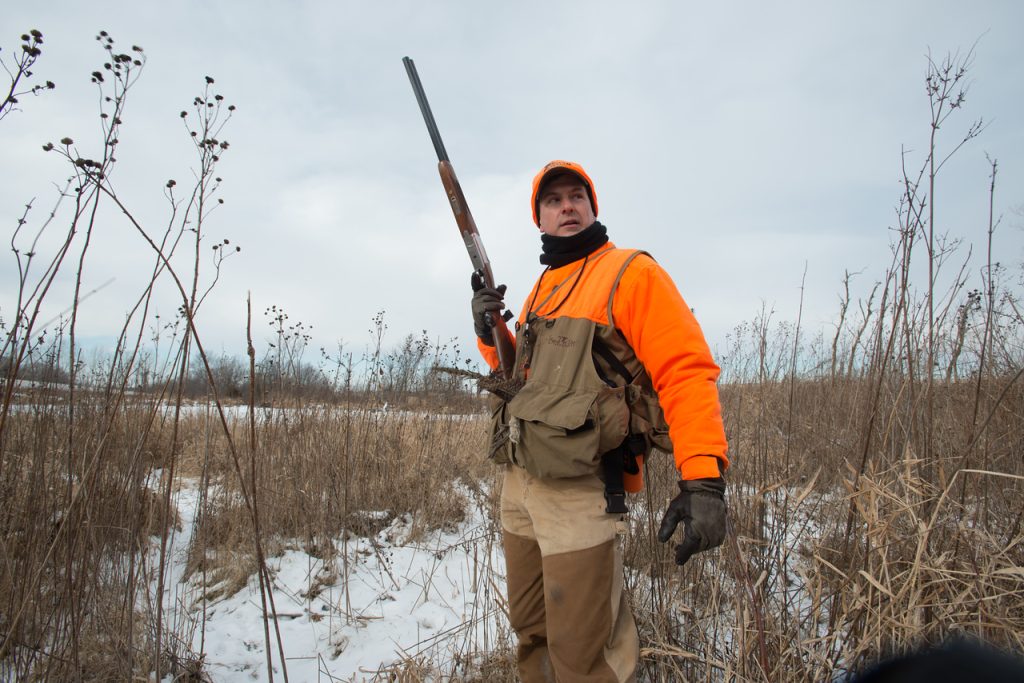
Iowa’s pheasant population is forecast to be similar to 2025, when the state’s pheasant population reached a 20-year high, according to Iowa DNR. On-farm conservation efforts like prairie strips, native prairie buffers, and CRP enrollments help to create strong habitat for the birds.
That forecast is based on a model using 50 years of weather data and roadside pheasant counts to predict hen survival and nesting success.
“Given the statewide information, our weather model is predicting populations similar to last year, and that’s positive because last year numbers were the highest pheasant counts in 20 years, so this forecast bodes well for this fall,” said Todd Bogenschutz, upland wildlife biologist for the Iowa Department of Natural Resources (DNR).
If you’re looking to support pheasant populations and recreation on your land, consider three things:
- Grass – This includes native prairie, overgrown meadows, and fallow fields. Pheasants like to hide in grass, nest there, and raise their young. Local conservation offices can help you pick out the best types of seed mixes for pheasants like big and little bluestem, grama, Indian grass, and June grass. You can find prairie funding via IAWA’s Conservation Compass tool!
- Grain – Birds like to be near corn soybeans, wheat, oats, barley, millet, rye, or sorghum. The great news is that many of these species make for a fantastic cover crop or rotation to improve a farm’s soil health. Talk to a conservation agronomist about how you can incorporate small grains.
- Winter cover – If you’re planting a habitat area via CRP or other programs, remember to include cattails or brush which provide safe haven from wintery conditions.
Pheasants Forever wrote a guide for creating “The Ultimate Back 40” for pheasant hunting!
The Iowa DNR conducts its annual upland population survey each August, which is the best indicator of what populations will be this fall. Results from the August roadside survey will be available online at www.iowadnr.gov/pheasantsurvey around Sept. 15.
(Adapted from an Iowa DNR press release)