
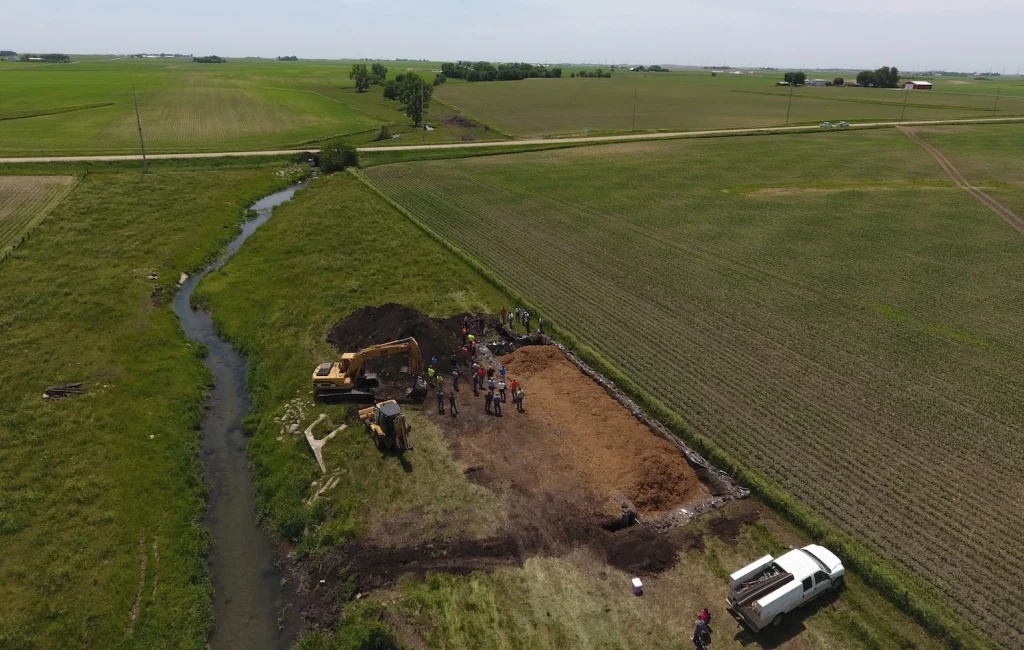
The Conservation Infrastructure Initiative
Finding ways to scale up conservation from small scope to statewide success
The now completed Conservation Infrastructure (CI) initiative aimed to harness economic drivers and market-based solutions to find more cost-effective ways to improve water quality in Iowa.
Partners from the public and private sectors worked to identify barriers to scaling conservation, create solutions, and increase private sector engagement to meet Iowa Nutrient Reduction Strategy (NRS) goals.
For example

The Iowa NRS calls for 12-17 million acres of cover crops. At the time of Conservation Infrastructure, there wasn’t enough seed in Iowa to cover that many acres, even if all those farmers said yes! We need more seed, more dealers, more applicators, and more education to scale up.
Project vision, metrics, and results

Vision
We envision a prosperous, sustainable and resilient Iowa with HEALTHY SOIL AND WATER and ECONOMICALLY VIBRANT COMMUNITIES that is recognized as THE national leader in both agriculture and conservation
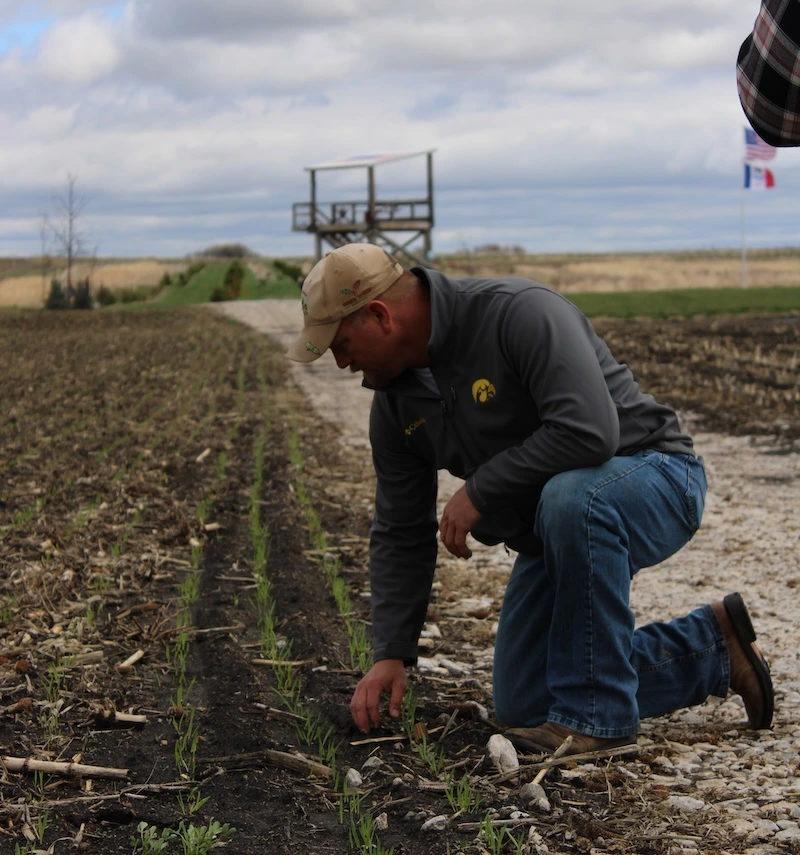
Definition of Success
Conservation practices are economically compelling and easier for farmers and landowners to implement. Increased investments in conservation practices that lead to healthy soil and improved water quality for the benefits of all Iowans and downstream communities.
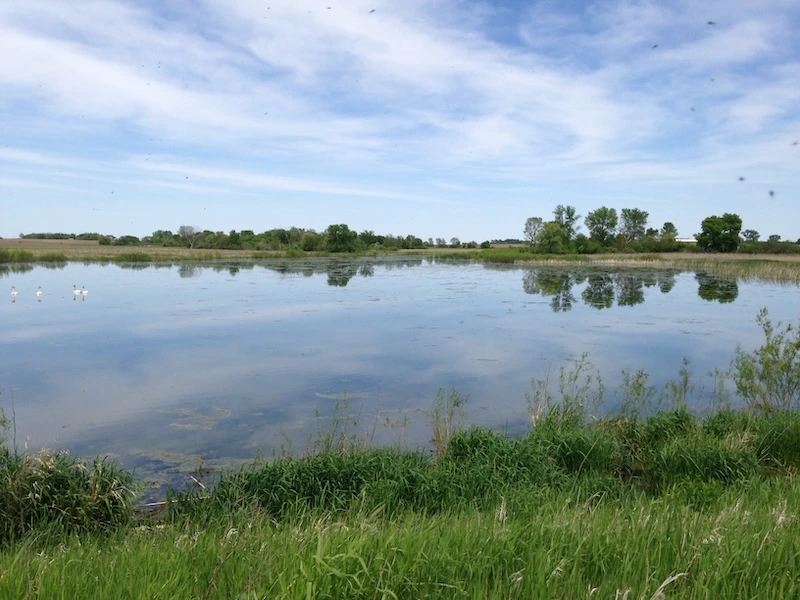
Statewide Results
100 partner organizations engaged | 127,500 acres impacted by bioreactors, saturated buffers, & CREP wetlands in 2019 | 1,000,000+ cover crop acres planted in 2019
CI Working Groups & Leadership
More than 100 public and private sector partners worked on this initiative, including representatives from academia, associations, conservation groups, federal and state agencies, agri-businesses, and more.
Conservation Initiative Co-chairs
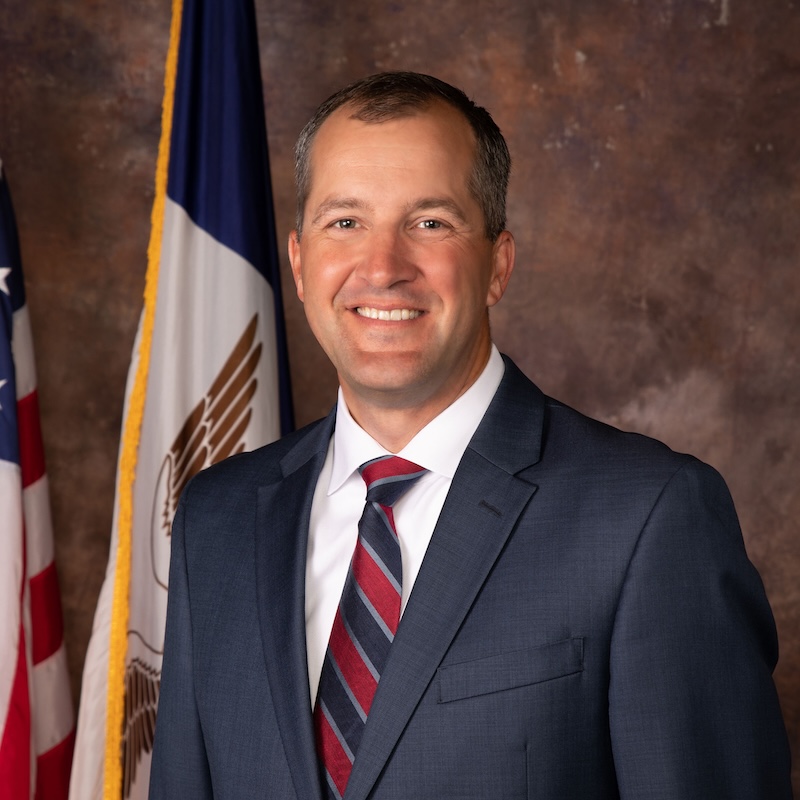
Iowa Agriculture Sec. Mike Naig
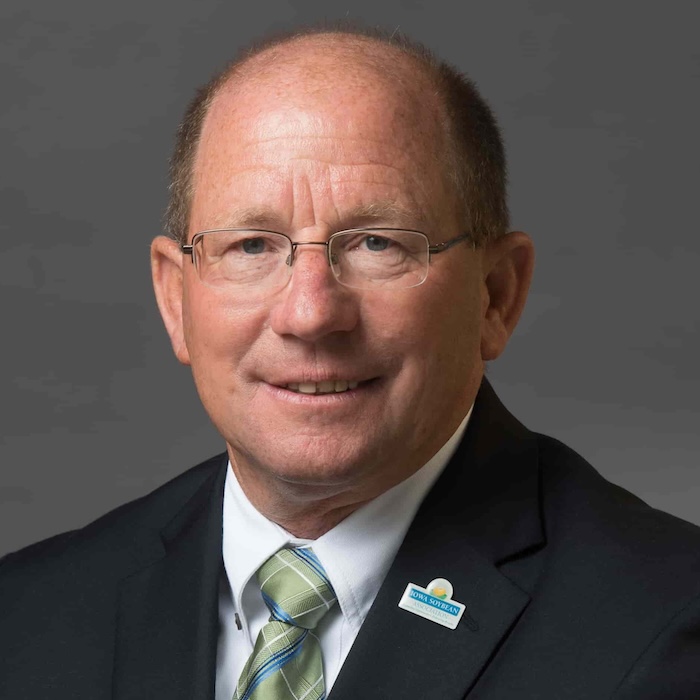
Farmer-leader Ray Gaesser
Conservation Initiative Group Members
Strategy Working Group
This group reviewed Iowa NRS leaders’ significant body of work, which guided their analysis of Iowa’s conservation infrastructure opportunities and challenges.
Strategy Working Group members:
- Todd Petersen (TNC)
- Adam Schnieders (Iowa DNR)
- Brian Selinger (IEDA)
- Dave Schwartz (Verdesian Life Sciences)
- Harry Ahrenholtz (ACWA)
- Jamie Benning (ISU Extension & Outreach)
- Jay Byers (Greater DSM Partnership)
- Joel Brinkmeyer (AAI)
- John Lawrence (ISU Extension)
- Kevin Stiles (Iowa Poultry Association)
- Marty Adkins (USDA-NRCS)
- Matt Lechtenberg (IDALS)
- Sec. Mike Naig (IDALS)
- Roger Wolf (ISA, ACWA)
- Ryan Heiniger (Pheasants Forever)
- Sean McMahon (IAWA)
- Steve Hershner (City of Cedar Rapids)
Cover Crops Working Group
This group focused on ways to create more customer demand for cover crops, change the perception of cover crops, increase farmer and Certified Crop Advisor technical knowledge, and document the economic benefits of cover crops.
Cover Crops Working Group members:
- AJ Blair (Blair Farm LLC)
- Bert Strayer (La Crosse Seed)
- Bill Northey (USDA Under Secretary for Farm Production and Conservation)
- Bruce Wessling (Wessling Farm)
- Clare Lindahl (SWCS)
- Jan Glendening (TNC)
- Jason Danner (Heartland Co-op)
- Jim Jordahl (IAWA)
- Joel Brinkmeyer (AAI)
- Kent Klemme (Hagie Manufacturing Co.)
- March Schleisman (M&M Farms)
- Matt Deppe (Iowa Cattleman’s Association)
- Rick Robinson (Iowa Farm Bureau)
- Sarah Carlson (PFI)
Conservation Drainage Working Group
This group recommended ways to drive conservation drainage, including by promoting support tools, increasing technical assistance, supporting communications outreach, and providing education on conservation practice economics.
Insert accordion here
Conservation Drainage Working Group members:
- Ben Gleason (ISU)
- Bruce Trautman (Iowa DNR)
- Charlie Schafer (Agri-Drain)
- Chris Hay (Independent Contractor)
- Clare Lindahl (SWCS)
- Ivan Droessler (ISG)
- Keegan Kult (Agriculture Drainage Management Coalition)
- Matt Helmers (ISU – INRC)
- Matt Lechtenberg (IDALS)
- Shane Wulf (IDALS)
- Shawn Richmond (AAI)
- Tim Recker (LICA)
- Todd Sutphin (ISA)
Conservation Initiative Recommendations
Each CI Working Group evaluated the political, environmental, social, technical, legal, and economic factors associated with conservation infrastructure in Iowa. They identified barriers and gaps to address in order to advance the Initiative’s Vision and Definition of Success through 47 recommendations.
STRATEGY Working Group Analysis
The 19 Strategy recommendations focused on making Iowa the leader in innovative ag-conservation partnerships, while breaking down barriers to adding more on-the-ground conservation practices.
- Scale Up Watershed Planning (Engagement): Scale up local farmer- and community leader-led watershed planning initiatives that take an adaptive management approach – leveraging research, information, and tools to target practices for maximum effect.
- Tracking CI Progress (Communications): Develop and share a semi-annual dashboard to track the progress of CI recommendations, activities, and results focused on achieving Iowa NRS goals.
- Multi-Stakeholder Training Workshops (Engagement): Hold at least two multi-stakeholder training workshops covering new and existing tools to empower farmers and landowners as well as technical assistance providers. Tailor content to unique local needs.
- Business Infrastructure Needs Assessment (Research): Survey existing conservation-related businesses and entrepreneurs to identify existing barriers to entry and expansion. Conduct a needs assessment regarding access to capital and equipment, business planning, advertising, technical training, etc.
- Economic Impact Scenarios (Research): IDALS, IAWA, and IEDA collaborate with other stakeholders to analyze the various economic impacts conservation practice implementation will deliver for local communities, counties, and the state.
- Expand Public-Private Partnerships (Engagement): Expand funding and engagement opportunities for public-private partnerships, enabling private sector conservation delivery while making implementation of practices easier and providing increased business opportunities for private sector investment and leadership. Encourage sustainable ag supply chain projects by working with supply chain partners to create value and increase farmers’ and landowners’ adoption of conservation practice. Potential examples: commodity premiums, information exchange, and decision support tool access/training.
- Land Management and Financial Sector Outreach (Engagement): Work with farm and land management organizations, agribusinesses, and the financial sector to revise models for socio-economic benefits of conservation practices. Leverage precision ag platforms and public data to conduct sub-field scale profitability analyses to better identify field acres with negative ROI to highlight the value of putting conservation practices on those acres.
- Renewable Energy – Water Quality Nexus (Engagement): Encourage and promote projects that deliver multiple benefits related to expanding renewable energy production and improving water quality and soil health. Pilot biomass projects using cover crops and perennial bioenergy feedstocks for methane digesters. Expand natural gas pipeline infrastructure for renewable biogas projects that will create additional value for perennial vegetation and cover crops.
- Sustainable Funding (Funding): Secure public and private sector resources, including financing, to leverage public funding for adequate financial and technical assistance, watershed planning, water quality monitoring, communications and outreach to implement the Iowa NRS.
- Expand Urban-Rural Partnerships (Engagement): Foster greater collaboration among urban and rural partners including urban and rural community source water utilities interested in investing in upstream conservation practices (i.e. Watershed Management Authorities, Nutrient Reduction Exchange, watershed planning, etc.)
- Evaluate Public and Private Benefits of Conservation Practices (Research): Study the benefits of conservation practices for farmers, private landowners, downstream users, and the public. The study should focus on how conservation practices factor in Life Cycle Analyses (LCA) and environmental footprints for food and ag value chain products. The LCA will be used to inform the supply chain of socio-economic benefits and local conservation investment opportunities. The study will also be used to inform the appropriate levels of cost-share for practices.
- Conservation Practice Funding Analysis (Funding): IDALS, IAWA, and other interested stakeholders engage IEDA to assess the economic development benefits and public-private partnership funding opportunities and their potential impact on adoption of conservation practices that lead to improved water quality and flood control for downstream communities.
- Watershed Planning Capacity Assessment (Research): Assess the state’s current public-private capacity to create effective watershed plans and adjust resources to fully support or increase that capacity. The assessment should consider the capacity of, and acknowledge the need for, local leadership in watershed planning and implementation. The assessment should also consider targeting opportunities to place practices where they will be most effective and adapt management based on water quality monitoring, farmer engagement, and other effectiveness measures.
- Market-Driven Opportunity Assessment (Research): IEDA and other interested stakeholders collaboratively assess market-driven solutions (e.g., Environmental Services) that leverage public and private benefits and that can create new revenue streams for conservation practices (e.g., proposed Nutrient Reduction Exchange).
- Increase Capacity for Conservation Planning (Technical Assistance): With conservation plans being needed for Environmental Quality Incentives Program (EQIP) enrollment, ensure adequate resources are available to help Iowa farmers develop these plans – including having enough certified conservation planners.
- Soil Health Metric that Links Soil Health to Farmland Valuation (Research): Assess existing soil health measurement tools (chemical, physical, and biological indicators) to create a widely accepted soil health metric that complements Corn Suitability Rating 2 (CSR2).
- Create Financial Incentives for Private Sector Conservation Planning (Funding): Partner with NRCS to create a Conservation Activity Plan (CAP) incentive for private sector engagement in conservation planning.
- Nutrient Reduction Exchange and Water Quality Trading (Economics): Create value for farmers and landowners, as well as point source permitees, through a voluntary nutrient reduction and water quality exchange.
- Certified Land Stewardship Program (Economics): Develop a certification program for farmer operators who use conservation practices, providing a competitive advantage for their farmland rental agreements.
COVER CROP Working Group Analysis
The 11 Cover Crop recommendations focused on creating more customer demand for cover crops, changing the perception of cover crops, increasing farmer and professional expertise, and promoting the economic benefits of cover crops.
- Cover Crop Champion Boot Camp (Engagement): Identify and assemble training for Cover Crop Champions, co-led by farmer organizations and cover crop industry leaders to engage 500+ farmers to hone their knowledge of the science and practice of cropping systems that include cover crops and share their story to other farmers. Following training, farmers would be compensated for recruiting other farmers to plant cover crops, providing mentoring assistance, and sharing knowledge and research at meetings/workshops.
- Ag Retailer and Ag Professionals Cover Crop Program (Engagement): Provide ag retail field staff with access to credible, third party, neutral cover crop information to enable them to increase customers’ agronomic and economic success in implementing cropping systems that include cover crops. Develop, coordinate, and better communicate cover crop recommendations for Iowa among ag retailers, state and federal conservation agencies, and academic and extension partners. Ag retail owners and executives increase conservation promotion and incentivize field staff to deliver cover crop and cash crop support succinctly to farmers and landowners.
- Unified Cover Crop Messaging (Engagement): Develop and promote a unified message around agronomics and conservation benefits of cover crops/soil health. IDALS and leading cover crop stakeholders coordinate key cover crop messaging and commit to those messages by all stakeholders involved in innovation, partnerships, implementation, outreach, and funding as part of the Iowa NRS. Celebrate and promote cover crop success stories.
- Cover Crop ROI Calculator (Economics): Create a common cover crop ROI calculator. Publish complete information and simplified messaging that informs farmers and landowners of existing ROI information and how to calculate it for their farm. Engage with the ag retail sector to create a set of business case scenarios that show the benefits when they add cover crops to their portfolio and update the scenarios frequently.
- Cover Crop Incentives for Landowners (Economics): Create economic incentives targeted to landowners. Build and target economic incentive programs for landowners and land management companies for using cover crops practices.
- Third Party Cover Crop Business Program (Engagement): Develop a ‘Third Party Cover Crop Business Program’ to increase capacity to seed 13+ million acres* and target beginning/young farmers for start-ups. Inventory gaps in the current infrastructure and account for the human labor needed to properly seed and manage 13+ million acres of cover crops. Promote beginning/young farmer entrepreneurs servicing cover crops and connect them with Ag retailers who are short on human capacity. Incentivize retailers who provide acres to custom-applicators who can provide planting and termination services to increase capacity. * acreage figure represents only one of multiple possible scenarios for cover crops along with a mix of other practices to achieve NRS goals.
- Public-Private Cover Crop Cost Share (Engagement): Conduct two or three pilot studies to evaluate and identify which cost share models support greatest cover crop adoption and retention. Increase available cost-share funding for cover crops while leveraging existing public cost share with private investments.
- Ag Retailer Cover Crop Business (Economics): Generate income streams and customers for ag retailers/ag businesses.
- Cover Crop Science and Education Portal (Engagement): Create a Cover Crop Science and Education Portal. Connect stakeholders with current peer-reviewed and anecdotal farmer and ag-retailer staff testimonies about cropping systems that include cover crops in Iowa.
- Agronomic and Economic Research on Cover Crops (Research): Fund, conduct, publish, and promote more Iowa cover crop-inclusive cropping system research focused on the intersection of agronomics and economics. Facilitate development of cover crop focused research projects throughout 2018, 2019, and beyond.
- Align Precision Ag Platforms and Digital Farm Record Keeping Systems Cover Crop Impacts on Water and Temperature (Research): Align precision ag platform tools with cover crop-inclusive cropping system recommendations. Leverage the growing popularity of ag platform programs to scope and conduct a pilot project that will identify the best way to incorporate cover crops’ effects on water and temperature into two existing tools and models and evaluate changes in recommendations. Use the pilot project results to determine the best approach to incorporating cover crop effects into additional tools in 2019.
CONSERVATION DRAINAGE Working Group Analysis
The 17 Conservation Drainage recommendations aimed to build support for planning, designing, financing, installing, and maintaining structural conservation practices statewide.
- Saturated Buffer Criteria (Technical Assistance): Evaluate the practical application of revised NRCS saturated buffer criteria.
- Integrate Conservation Drainage into Conservation Planning (Technical Assistance): Develop a decision support tool (e.g., checklist or decision tree) for use by conservation planners, watershed coordinators, and other public and private sector interests to identify conservation drainage practice opportunities. Evaluate establishing CAP payments for conservation planning, bioreactors, and saturated buffers to facilitate private sector engagement in conservation drainage practice planning.
- Conservation Drainage Education and Training Needs Assessment (Research): Conduct a needs assessment that identifies audiences and evaluates their needs for education and training on conservation drainage practices so that coordinated and comprehensive education and training programs can be developed.
- Conservation Client Gateway Integration (Technical Assistance): Integrate the (NRCS) Conservation Client Gateway tool with state-level tools so that program requirements and expectations are quickly accessible and clarified for farmers and landowners.
- Private Sector Outsourcing for Technical Assistance (Technical Assistance): Collaborate with NRCS to develop a pilot project that enables private sector TSPs to fulfill the existing technical assistance needs on projects that could be designed and constructed in “bulk” allowing TSPs to participate to provide economies of scale.
- Conservation Drainage Education & Training (Technical Assistance): Develop a coordinated and comprehensive program of education and training on conservation drainage practices that is tailored to specific audience needs and engages public and private sector stakeholders in the design and delivery of the programs.
- Conservation Prospectus (Technical Assistance): Provide incentives to TSPs to develop a conservation prospectus that outlines the linkages between each step in the plan. This would become an avenue for piloting tools and sharing case studies that show best practices and key lessons learned.
- Leverage Watershed Planning (Planning): Use watershed planning as a tool to identify the most efficient potential sites for conservation drainage practices in terms of performance and cost.
- Assessment of Engineering Needs (Technical Assistance): Map the processes that require a licensed PE to be involved. Assess potential opportunities for revised involvement to improve efficiency without jeopardizing safety and effectiveness.
- Income Foregone (Economics): Place emphasis on federal and state incentives to alleviate constraints on construction during the growing season by incentivizing farmers to participate in an “income foregone” program that opens field access in the summer for more cost-effective construction of EOF practices
- Leverage Tools (Technical Assistance): Combine, leverage, and enhance existing tools at multiple scales (sub-field to watershed) to better and more easily identify cost effective sites for conservation drainage practices.
- Conservation Concierge (Technical Assistance): Develop a cloud-based service to connect farmers and landowners with conservation practice service providers to achieve their farm and field conservation goals. The service would provide the following: a. qualifications for eligibility for private, local, state, and federal technical and financial assistance and programs b. recommendations for most appropriate conservation practices by farm and field c. list of potential, qualified TSPs to help with planning, siting, and implementation of these conservation practices Conduct a pilot project with IDALS and NRCS.
- Restructure Cost Share Programs (Economics): Restructure programs according to the benefits of the practices and ecosystem services. Potential restructuring could include: a. Cost per pound (N and P) reduced. b. Weighted to public/private benefit. If the benefit is largely public, the cost should be largely covered by the public sector. If the benefit is largely private, the cost should be largely covered by the private sector (farmer).
- Fully Leverage LiDAR and GIS (Technical Assistance): Create a state-based data layer looking at flow ways, hydro-conditioning, and digital elevation modeling to make it cheaper, better, and faster to develop watershed plans and site and design conservation drainage practices in collaboration with on-the-ground experts and watershed coordinators.
- Smart Drainage (Technical Assistance): Link technology providers to conservation data and management tools. Enable IEDA to support system integrators to conduct a pilot in a county that has flooding issues.
- Appropriate Level of Technical Assistance (Research): Evaluate technical assistance and administrative needs relative to financial assistance to support implementation and administration of conservation drainage practices to make recommendations on concomitant increases in technical assistance with increases in financial assistance for practices.
- Evaluate Financing Mechanisms (Research): Evaluate the potential for different, new, or innovative financing mechanisms to incentivize structural practices that have greater up-front costs and evaluate potential roles that drainage districts could play.